
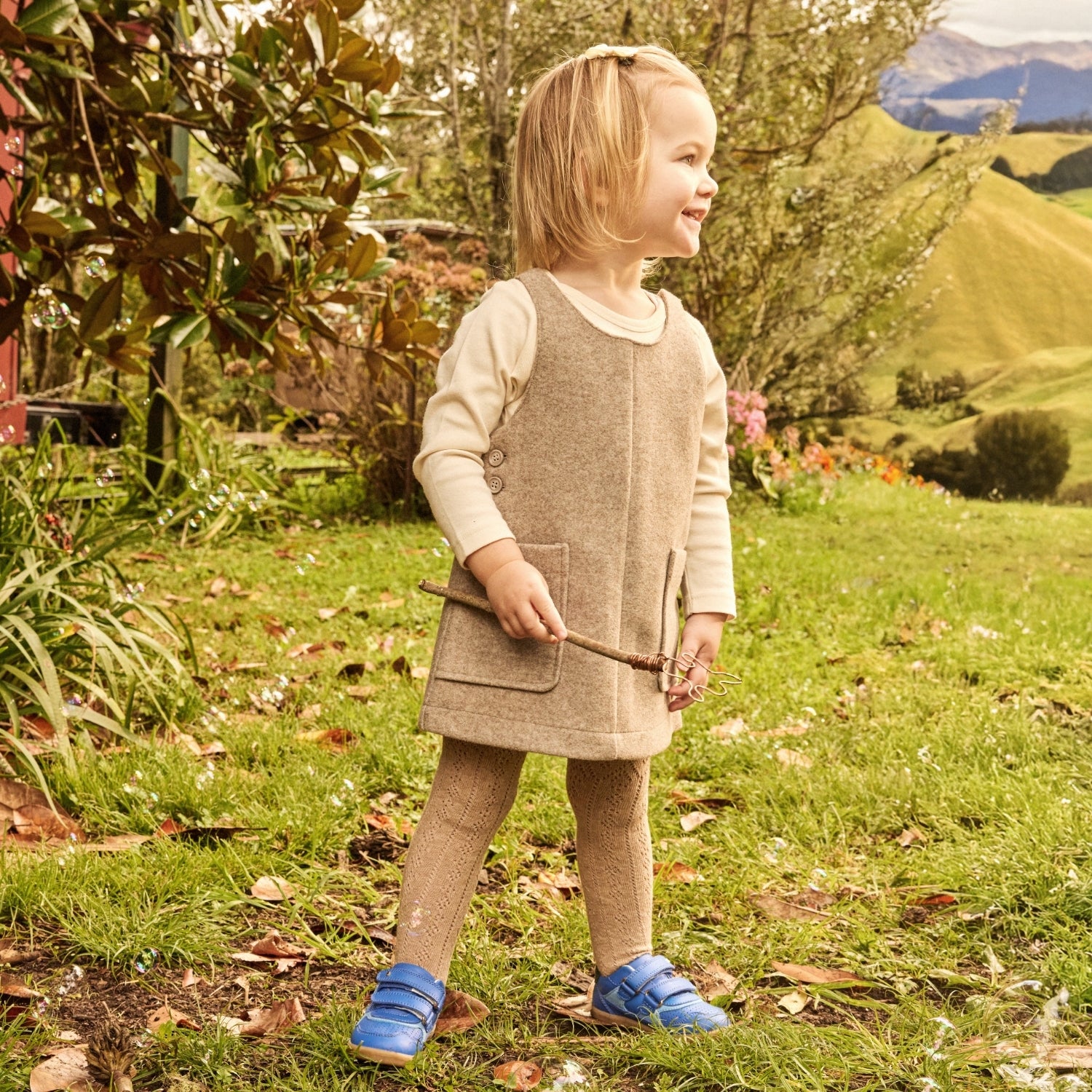
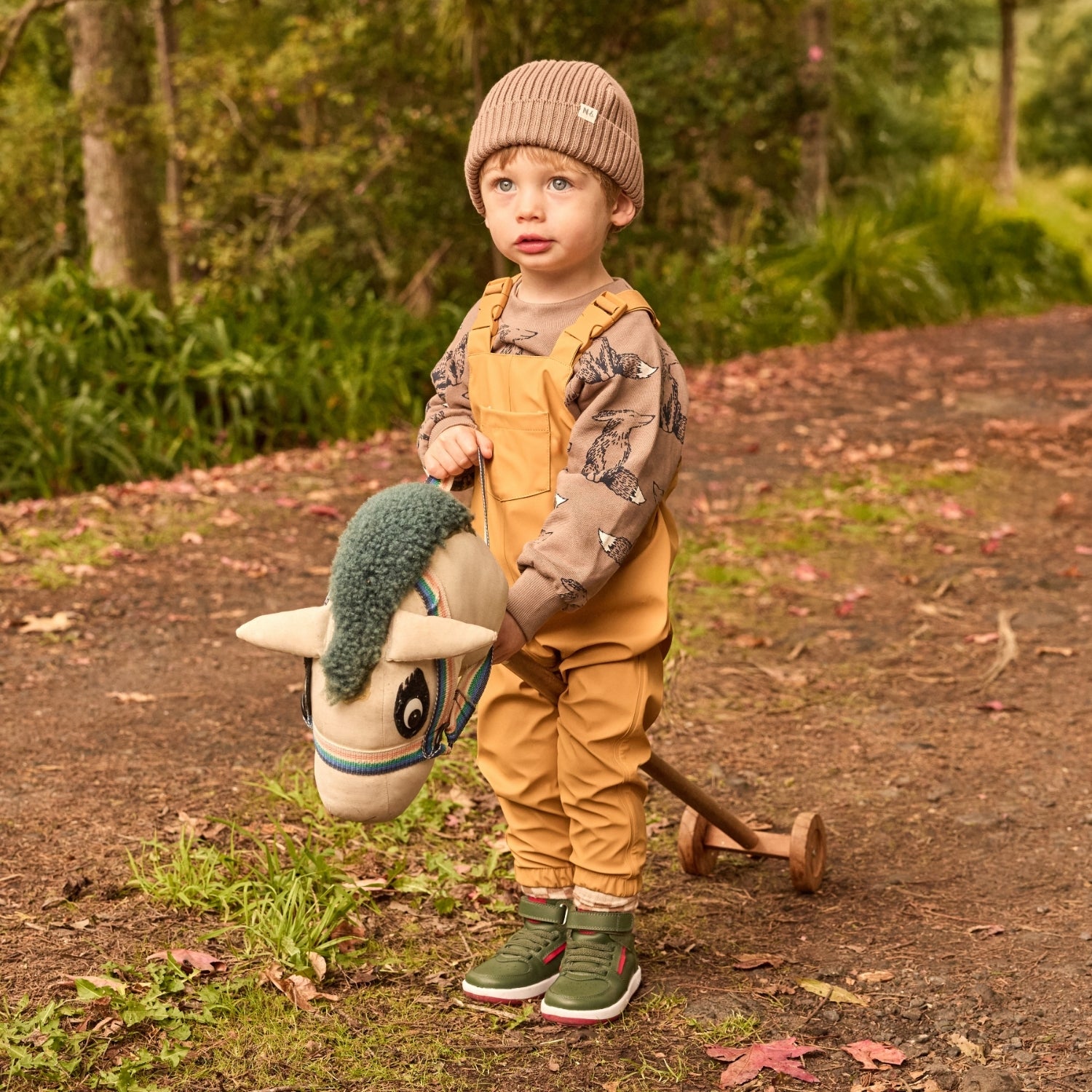
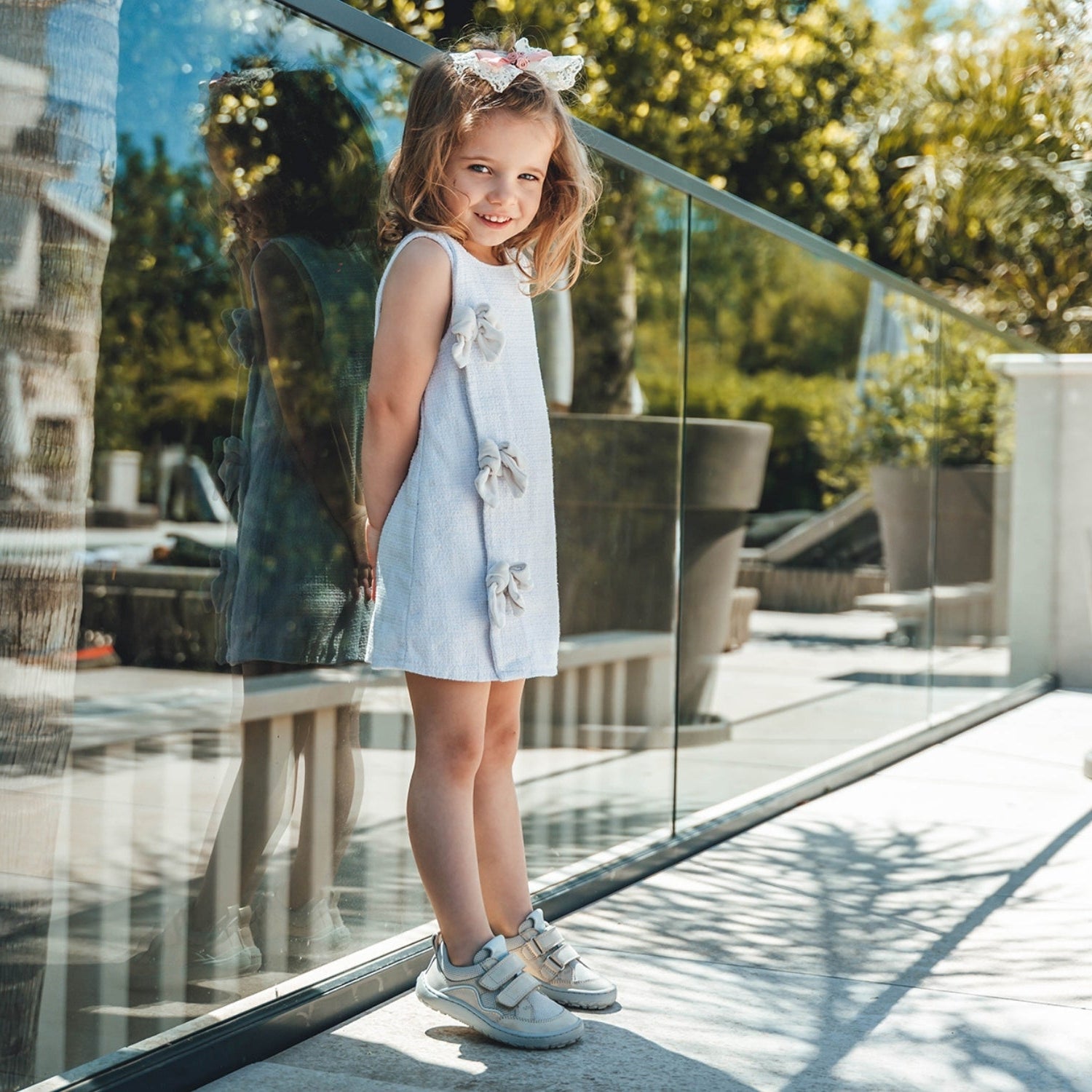
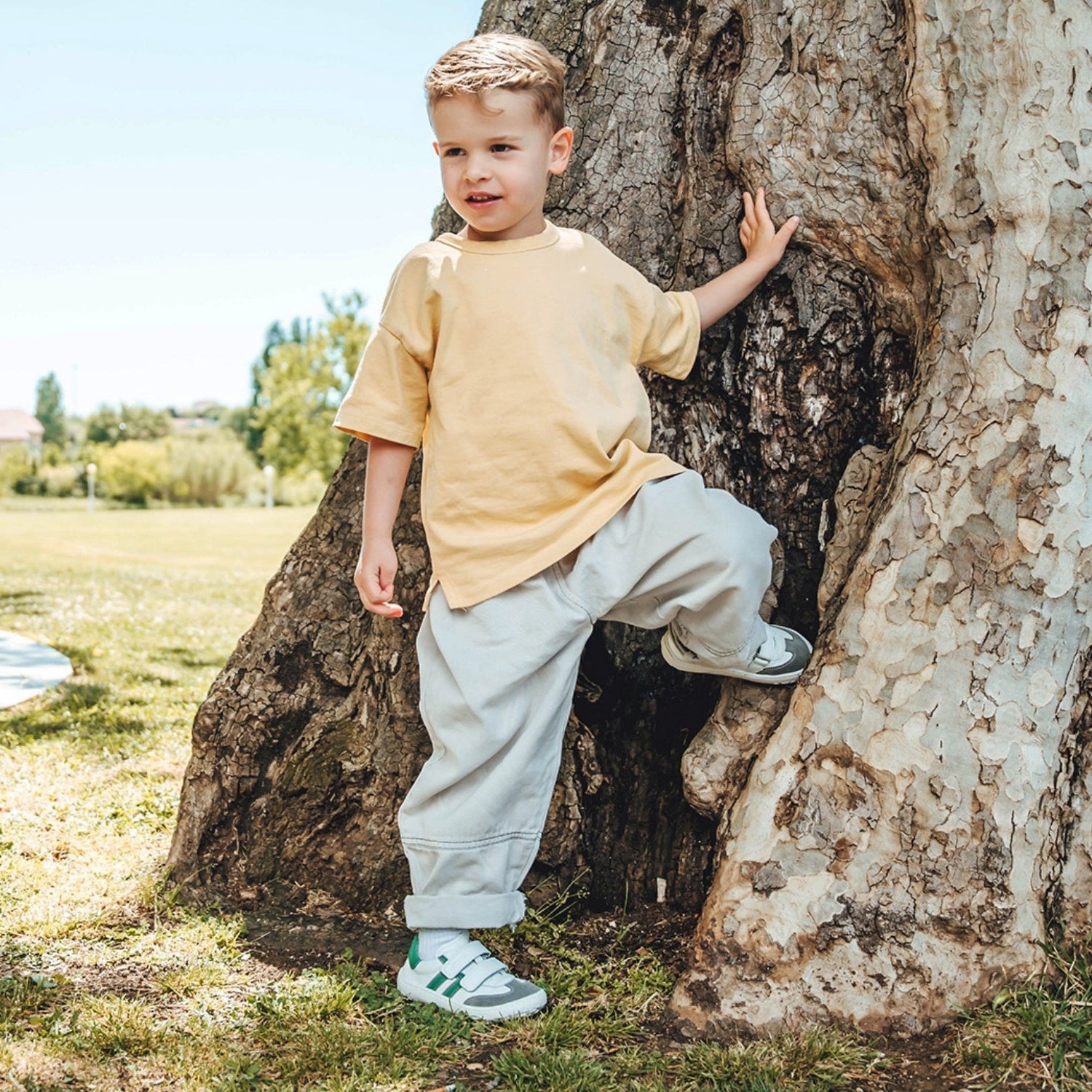

Are Barefoot Shoes Good for Children?

If you've been researching children's footwear, you've probably come across barefoot shoes and wondered whether they're a good choice for your child.
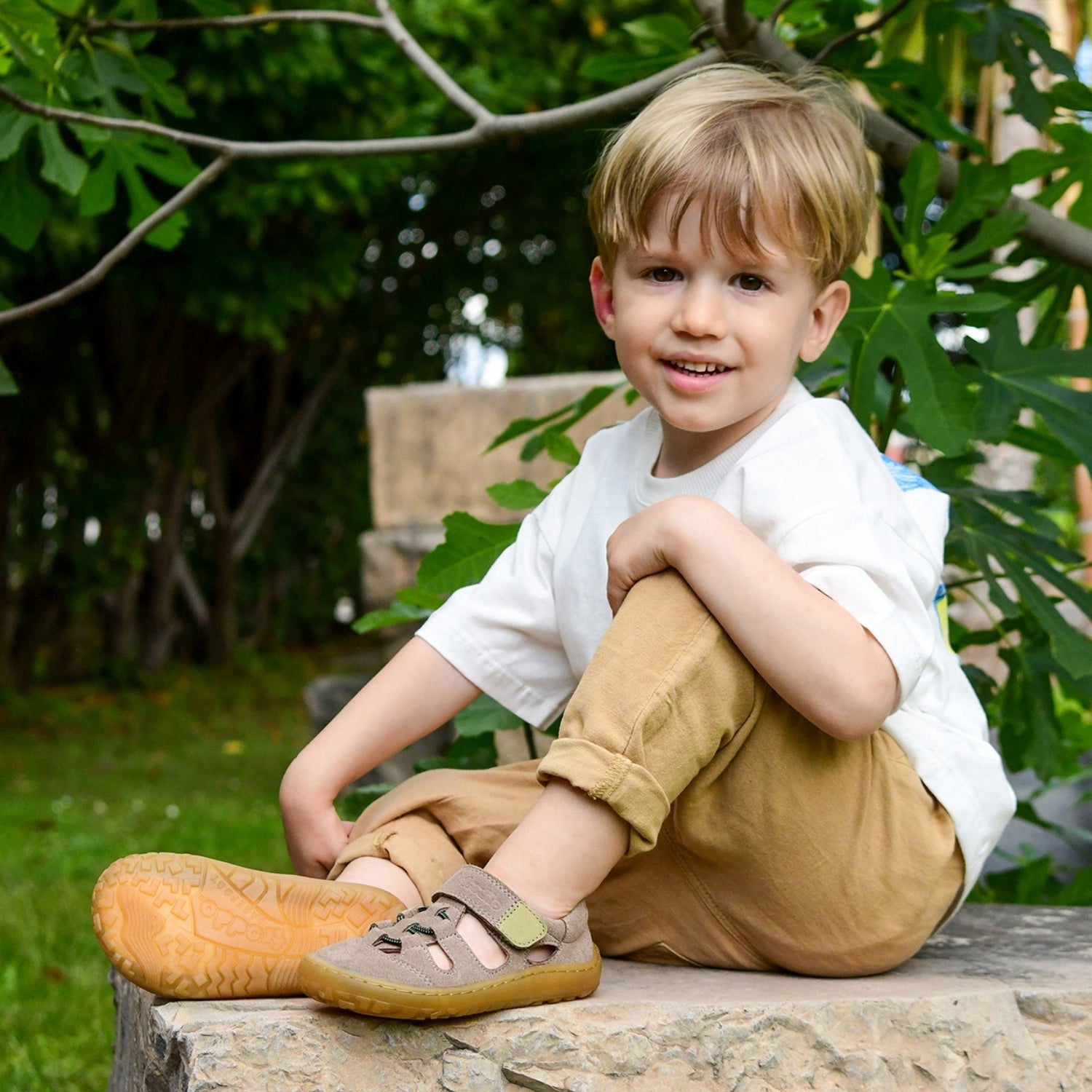
Barefoot shoes have become increasingly popular with parents because they are designed to allow feet to move as naturally as possible while still providing protection from the ground. Unlike many conventional shoes, barefoot shoes typically feature flexible soles, wide toe boxes, minimal cushioning, and a flat (zero-drop) design.
But are barefoot shoes actually good for children? The answer depends on the individual child, their needs, and the fit of the shoe. However, many families choose barefoot footwear because of its flexible design, wide fit, and focus on natural movement.
Why Parents Consider Barefoot Shoes
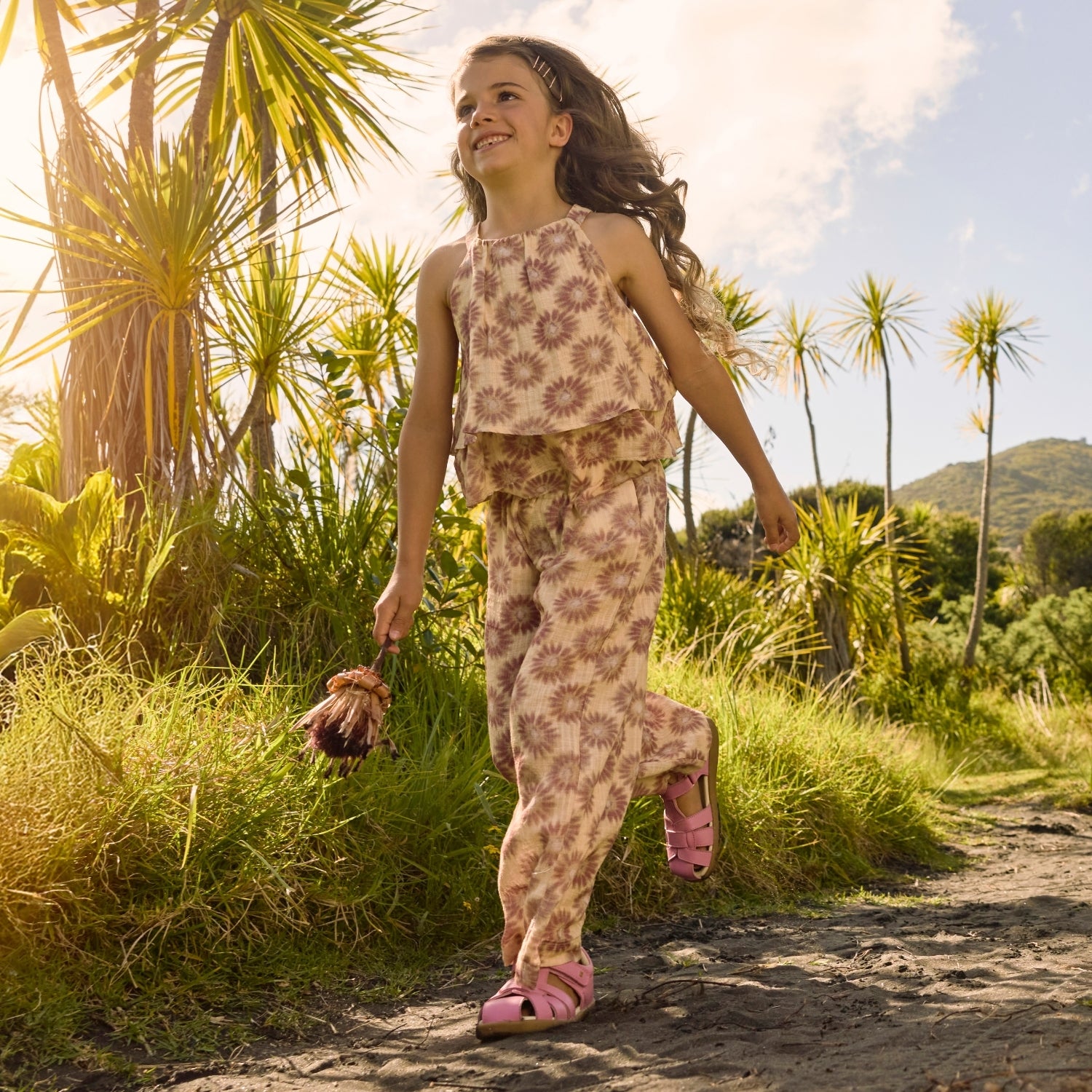
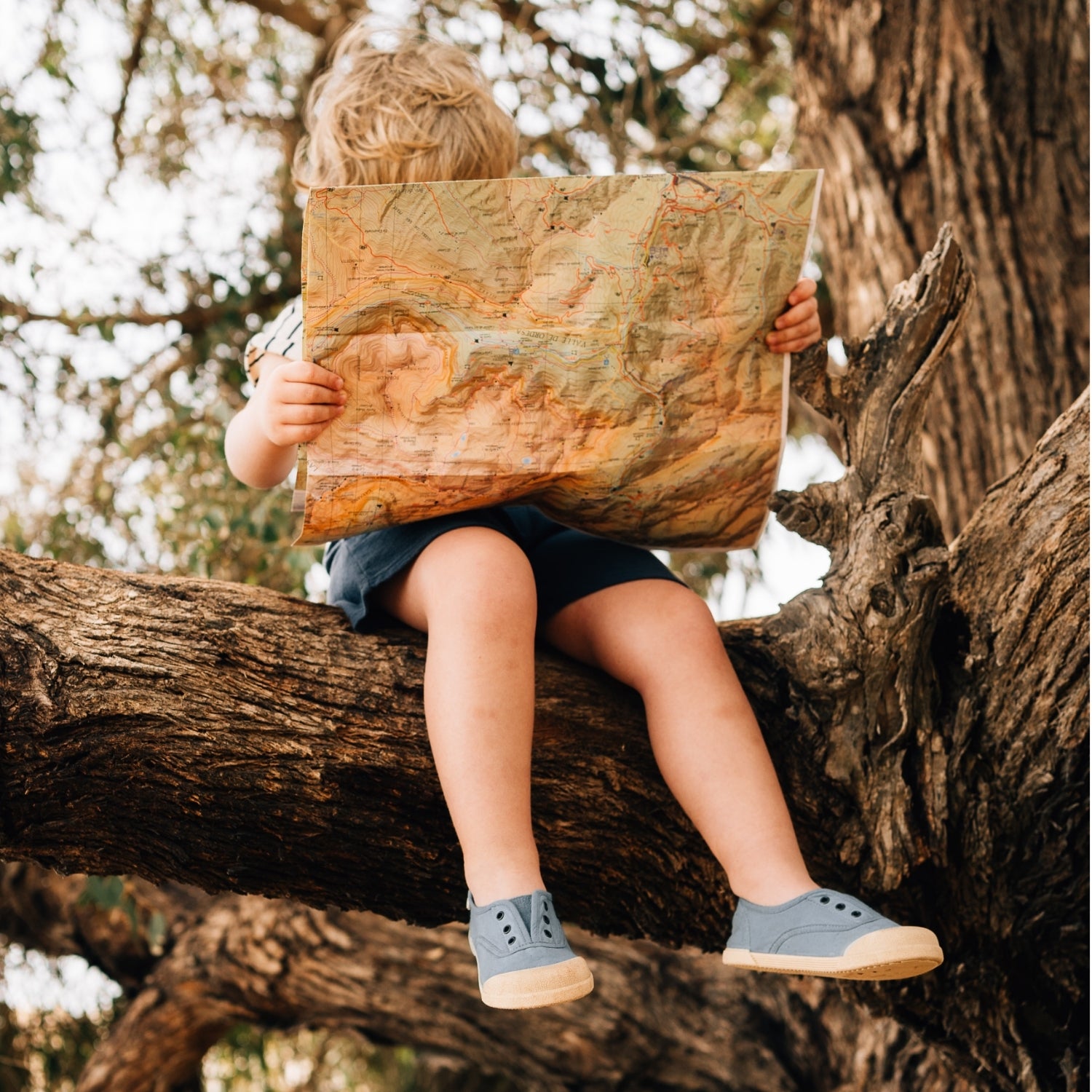
Children spend much of their day walking, running, climbing, jumping, and exploring. Because their feet are still growing and developing, many parents look for shoes that allow natural movement rather than restricting it.
Barefoot shoes are designed with this goal in mind. Their key features include:
- A wide toe box that gives toes room to spread naturally
- Flexible soles that move with the foot
- Lightweight materials
- A flat sole with no raised heel
- Minimal cushioning
These characteristics are intended to provide protection while allowing children to move comfortably during everyday activities.
How Children's Feet Develop
Children's feet continue to develop throughout childhood. The bones, muscles, ligaments, and joints all change as children grow, and footwear plays an important role in comfort and movement during these years.
Most footwear professionals agree that children's shoes should fit well, be comfortable, and be appropriate for the activities a child takes part in. Shoes that are too tight, too stiff, or poorly fitted can cause discomfort regardless of style or brand.
For this reason, many parents are drawn to barefoot shoes because they are designed to be flexible and spacious, particularly around the toes.
Features Many Parents Value
While every child is different, there are several reasons why parents choose barefoot footwear.
More Room for Toes
Barefoot shoes are known for their wider toe boxes. This gives children's toes more space compared with many traditional shoe designs, allowing them to spread naturally inside the shoe.
Greater Flexibility
Flexible soles allow the foot to bend and move more freely. Many parents value this flexibility for children who spend a lot of time running and playing.
Lightweight Comfort
Many barefoot shoes are lightweight, which can make them comfortable for all-day wear at school, nursery, or during outdoor activities.
Natural Foot Position
Most barefoot shoes feature a zero-drop sole, meaning the heel and forefoot sit at the same level. This creates a flat, natural position for the foot inside the shoe.
Suitable for Everyday Activities
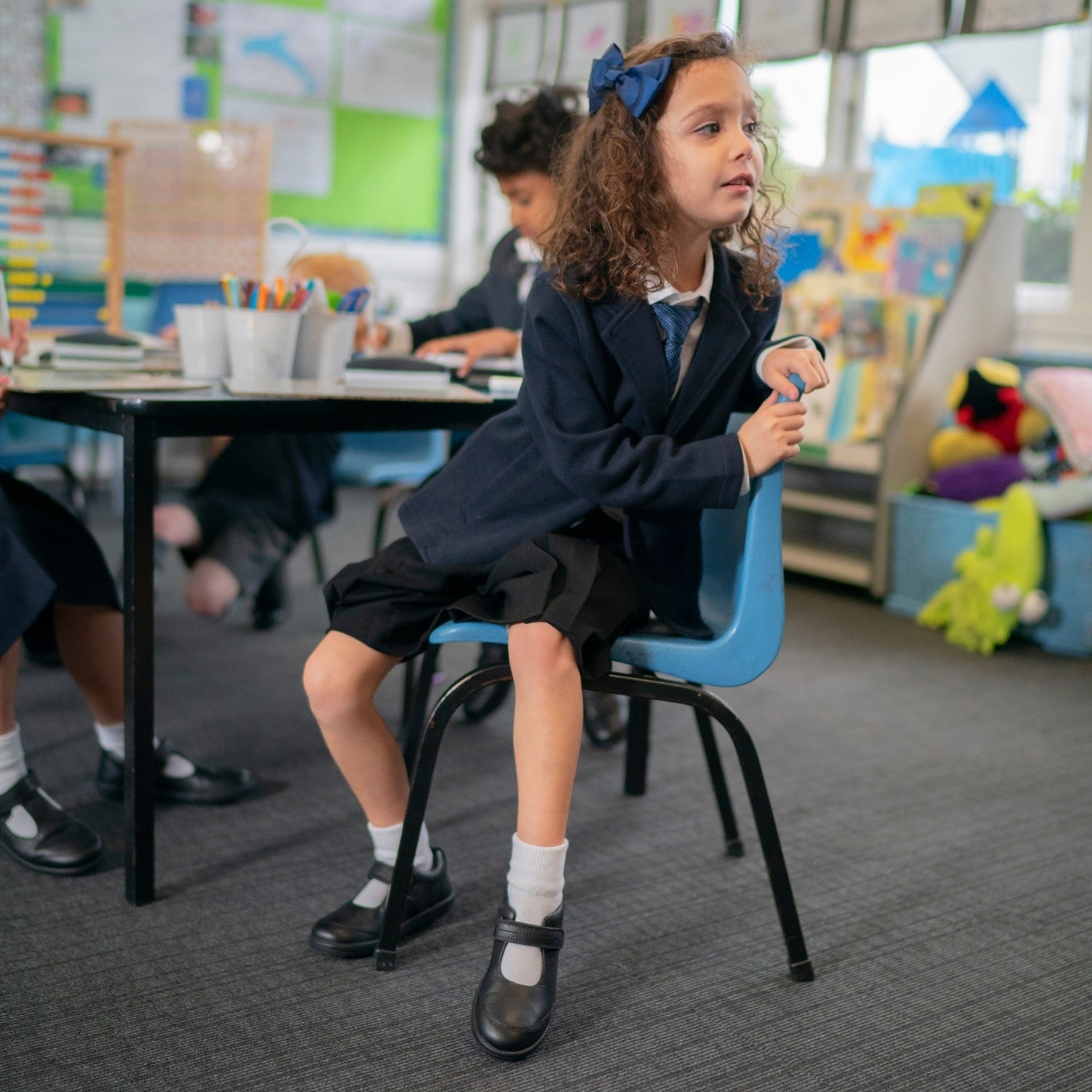
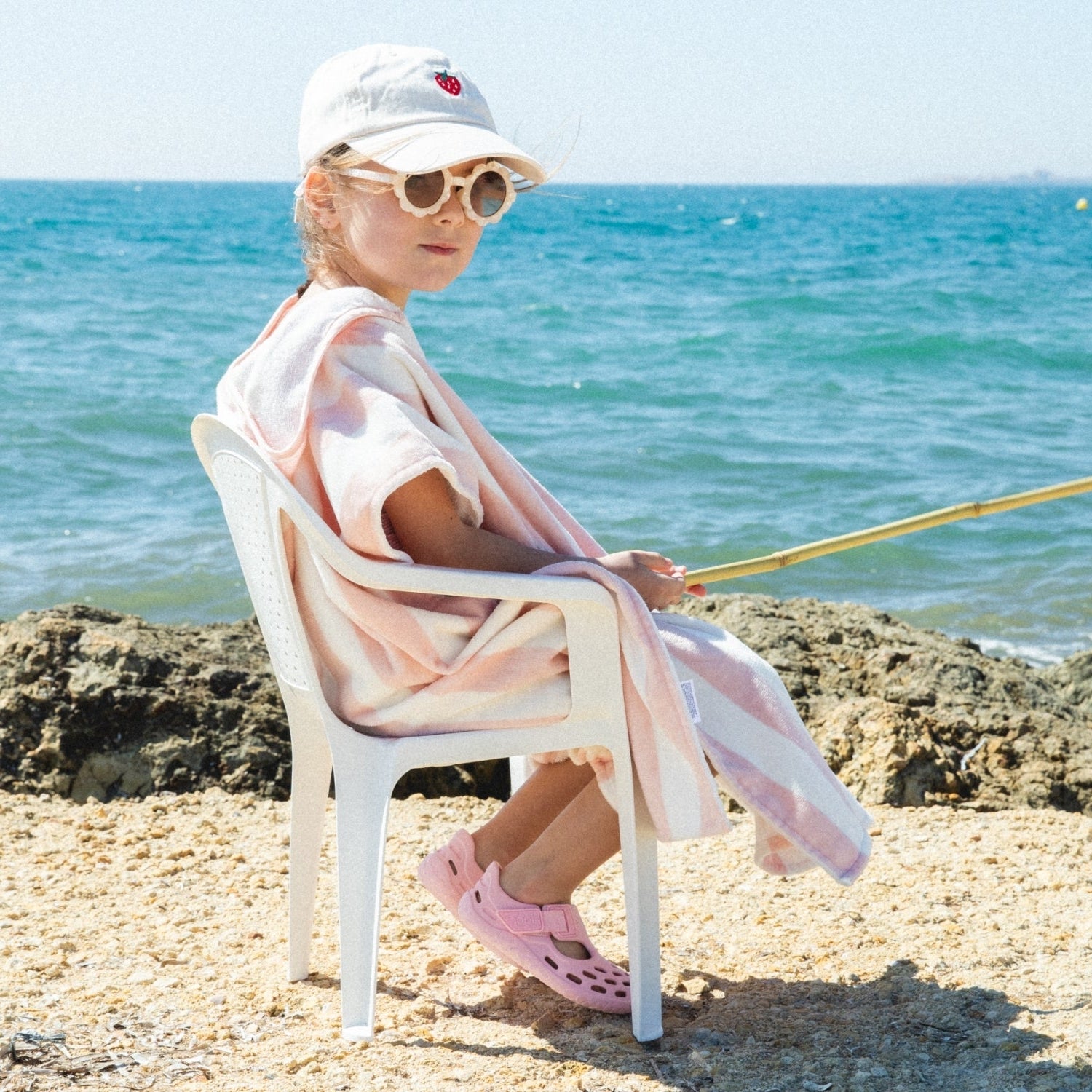
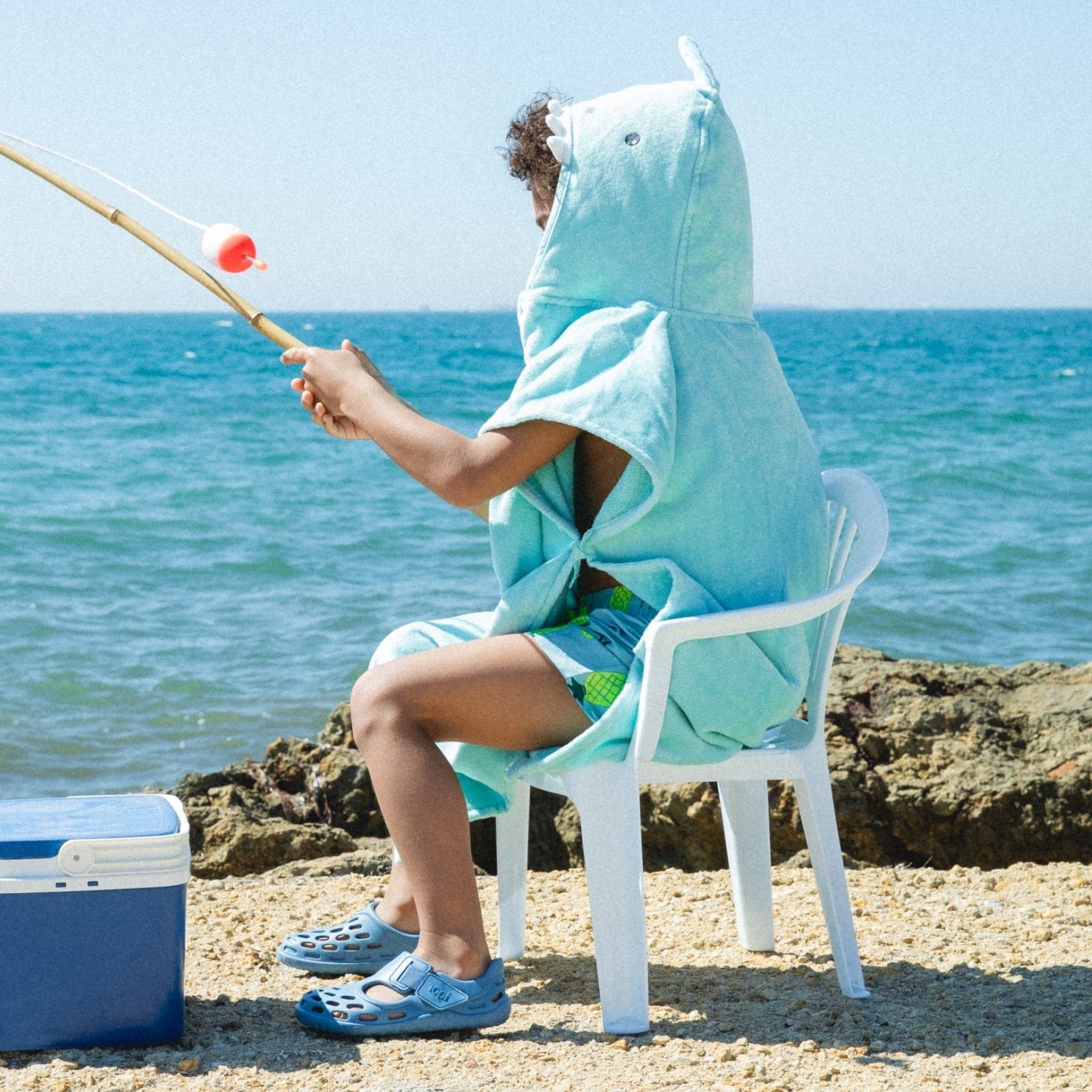
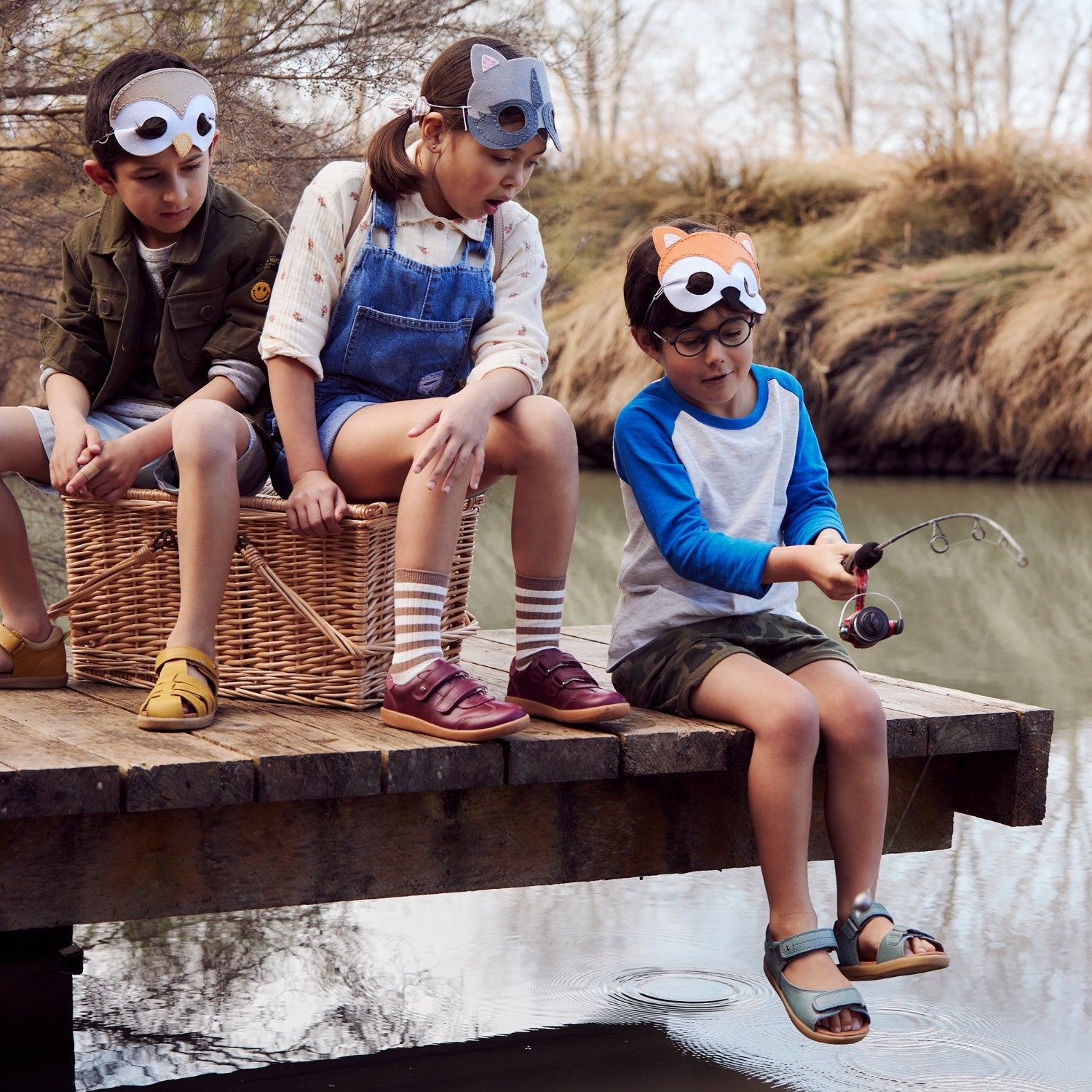
Barefoot footwear is available in a variety of styles, including trainers, sandals, boots, and school shoes, making it suitable for many everyday situations.
Are Barefoot Shoes Suitable for All Children?
Barefoot shoes can be a good option for many children, but there is no single type of footwear that works best for everyone.
Children have different foot shapes, activity levels, and personal preferences. Some may find barefoot shoes comfortable straight away, while others may prefer different styles of footwear.
The most important factor is not whether a shoe is labelled "barefoot" or "traditional", but whether it fits properly and feels comfortable. A well-fitting shoe should provide enough room for the toes, allow natural movement, and stay secure on the foot during activity.
What Should Parents Consider?
If you're considering barefoot shoes for your child, it's important to focus on fit, comfort, and suitability for the intended activity. A barefoot shoe should provide enough room for the toes, feel comfortable during wear, and fit securely without being too tight.
Because children's feet grow quickly, regular fit checks are recommended to ensure shoes continue to provide adequate space.
When to Seek Professional Advice
If your child has a diagnosed foot condition, experiences foot pain, or has specific footwear requirements, it may be helpful to seek advice from a qualified healthcare professional such as a podiatrist before choosing footwear.
So, are barefoot shoes good for children? For many families, the answer is yes. Barefoot shoes are designed to allow natural movement through features such as flexible soles, wide toe boxes, lightweight materials, and flat soles.
While every child's needs are different, many parents appreciate the comfort and freedom of movement that barefoot shoes can offer. The key is choosing footwear that fits well, suits your child's activities, and allows growing feet to move naturally and comfortably.
As with any children's footwear, a proper fit should always be the top priority. When selected carefully, barefoot shoes can be a practical and comfortable choice for everyday adventures.
Free Delivery
on orders over £50
Easy Returns
within 30 days of purchase
Official Retailer
for trusted brands