

Barefoot School Shoes Guide

Choosing school shoes is about more than ticking off the uniform list. For many parents, barefoot school shoes offer a comfortable, practical option designed to allow growing feet to move as naturally as possible while still providing everyday protection.
What Are Barefoot School Shoes?
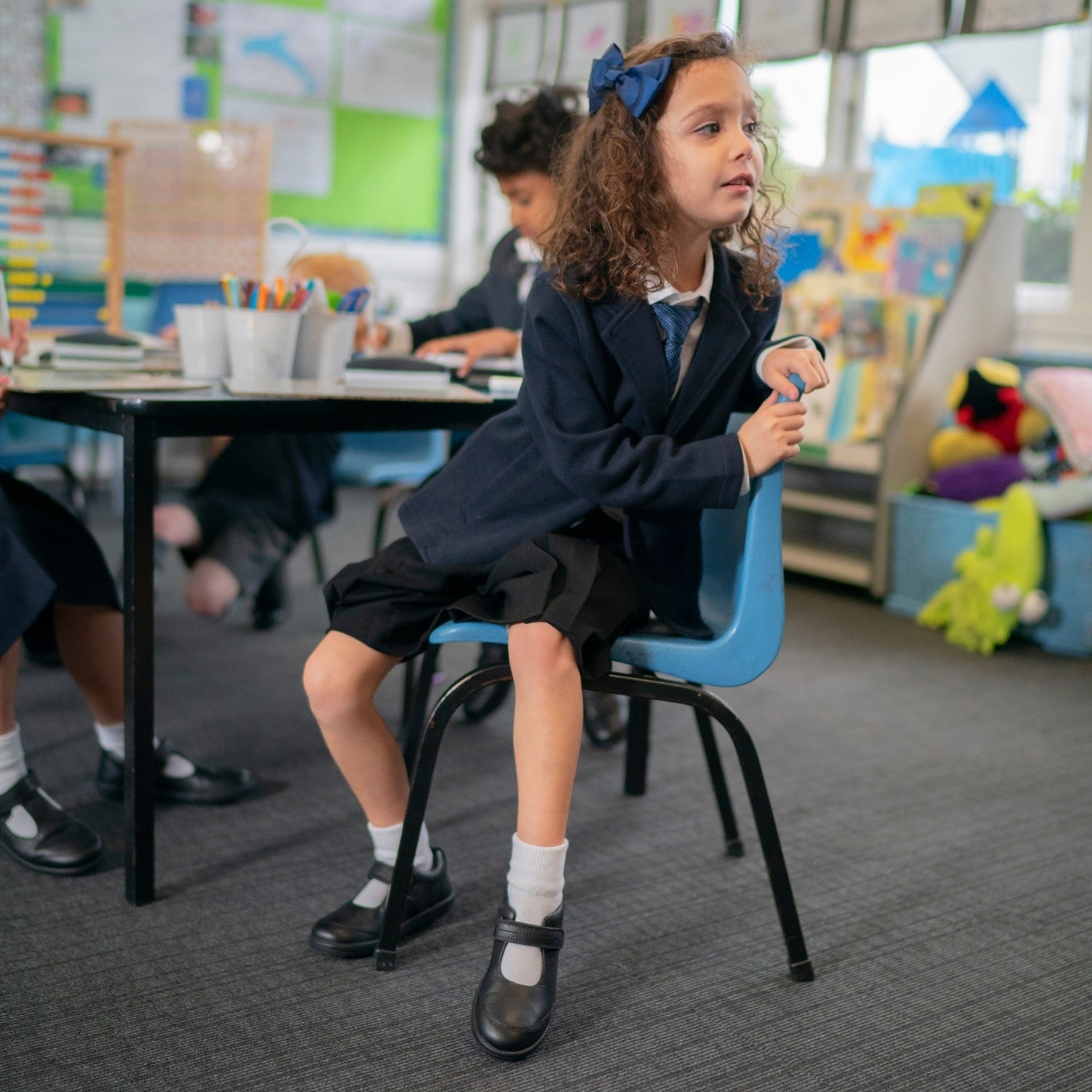
Barefoot school shoes combine the natural design principles of barefoot footwear with styles suitable for school uniforms. They offer the same key design features as other barefoot shoes, but in smart, school-appropriate styles that many schools accept.
Most barefoot school shoes include:
- A smart design suitable for school wear, often in black leather or leather-look finishes.
- A wide toe box that allows toes to spread naturally.
- A flat (zero-drop) sole with no raised heel.
- Flexible soles that bend easily with the foot.
- Lightweight construction for comfortable all-day wear.
Depending on your child's school uniform policy, barefoot school shoes are available in a range of styles, including T-bar shoes, Mary Janes, lace-up shoes and easy hook-and-loop fastening designs.
Why Do Parents Choose Barefoot School Shoes?
Many families choose barefoot school shoes because they are designed to allow natural foot movement throughout the school day. Since children spend hours walking, running and playing, flexibility and comfort are often top priorities.
Parents commonly look for barefoot school shoes because they offer:
- Freedom for natural movement.
- Plenty of toe room.
- Lightweight comfort for all-day wear.
- Flexible soles that move with the foot.
How Should Barefoot School Shoes Fit?
Getting the right fit is just as important as choosing the right style.
A well-fitting barefoot school shoe should:
- Allow toes to move naturally without feeling cramped.
- Fit securely around the heel without slipping.
- Provide enough growing room at the front without being oversized.
- Match your child's foot length and width rather than relying solely on their usual shoe size, as sizing varies between brands.
When Should You Replace School Shoes?
Children's feet grow quickly, particularly during the primary school years. It's a good idea to check the fit regularly and replace school shoes when they become too short, too narrow or excessively worn. Measuring feet regularly throughout the year, usually every few months, helps ensure continued comfort.
Finding the Right Pair
Every child's feet are unique, so there is no single "best" barefoot school shoe. Look for a pair that fits well, feels comfortable from the start and meets your school's dress code. Checking your child's measurements regularly and choosing shoes that match their foot shape can help keep growing feet comfortable throughout the school year.