

Barefoot vs Traditional Shoes

If you're researching footwear for your child, you may have come across the debate between barefoot shoes and traditional shoes. While both are designed to protect children's feet, they differ in several important ways.
Barefoot shoes are designed to allow feet to move as naturally as possible, while traditional shoes often place greater emphasis on cushioning, structure, and support. Neither approach is inherently right or wrong, but understanding the differences can help parents make informed decisions when choosing footwear for growing feet.
What Are Barefoot Shoes?
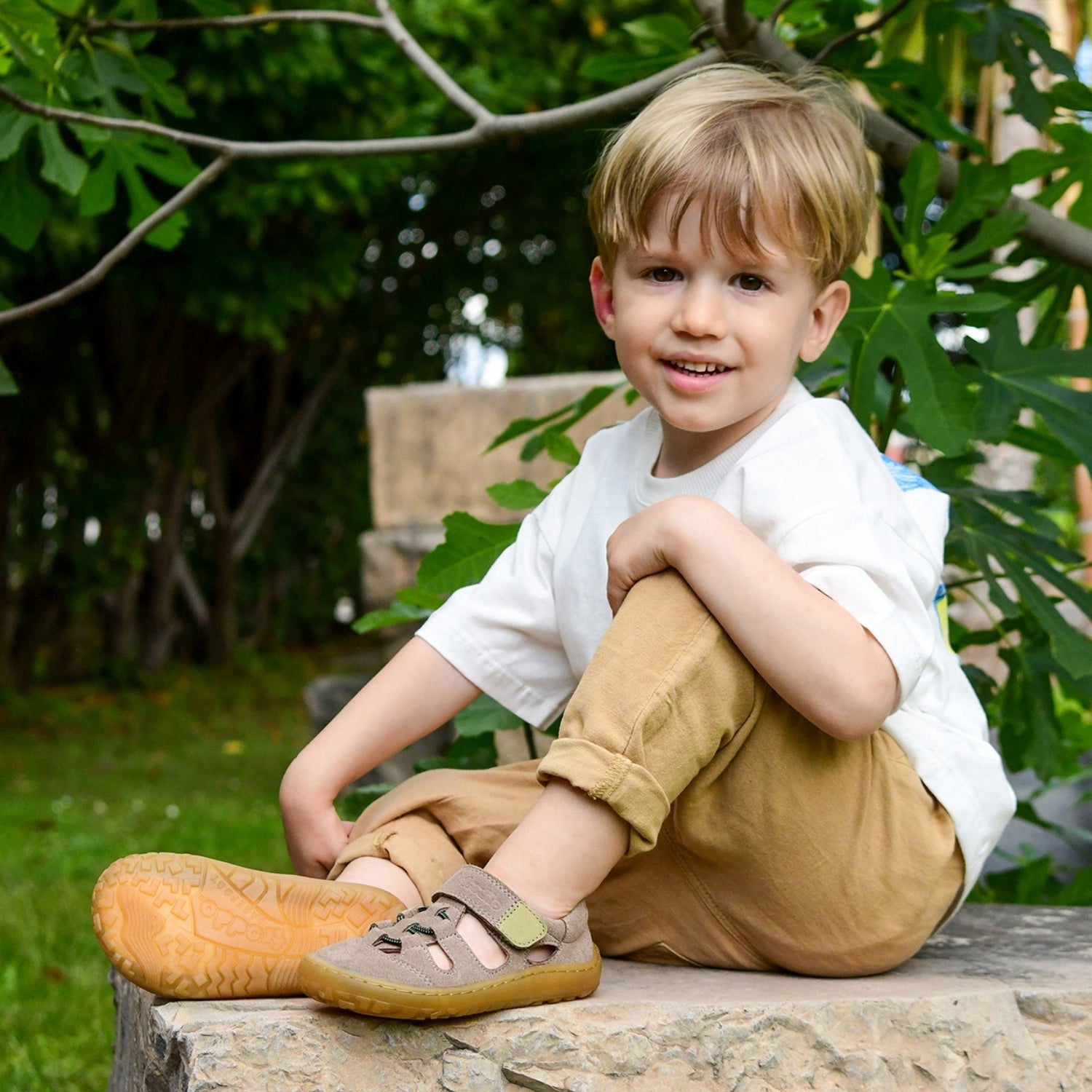
Barefoot shoes are designed to mimic the experience of being barefoot while still providing protection from the ground. Most barefoot shoes share several key features:
- A wide toe box
- Flexible soles
- Minimal cushioning
- Lightweight materials
- A flat, zero-drop sole
The goal is to allow the foot to move naturally with fewer restrictions.
What Are Traditional Shoes?
Traditional shoes encompass a wide range of footwear styles and brands. While designs vary, many conventional shoes include features such as:
- Narrower toe shapes
- Thicker cushioning
- More structured soles
- Additional cushioning or structural features
- A raised heel
These features are often intended to provide comfort, durability, and support for everyday activities.
1. Toe Box: Room for Growing Feet
One of the most noticeable differences between barefoot and traditional shoes is the shape of the toe box.
Barefoot shoes are typically wider at the front, allowing toes to spread naturally inside the shoe. Many parents choose barefoot footwear because they prefer this roomier fit for growing feet.
Traditional shoes can vary significantly between brands, but some styles have a more tapered shape that provides less space around the toes.
For children, finding a shoe with adequate room in the toe area is important, regardless of whether it is barefoot or traditional.
2. Sole Flexibility
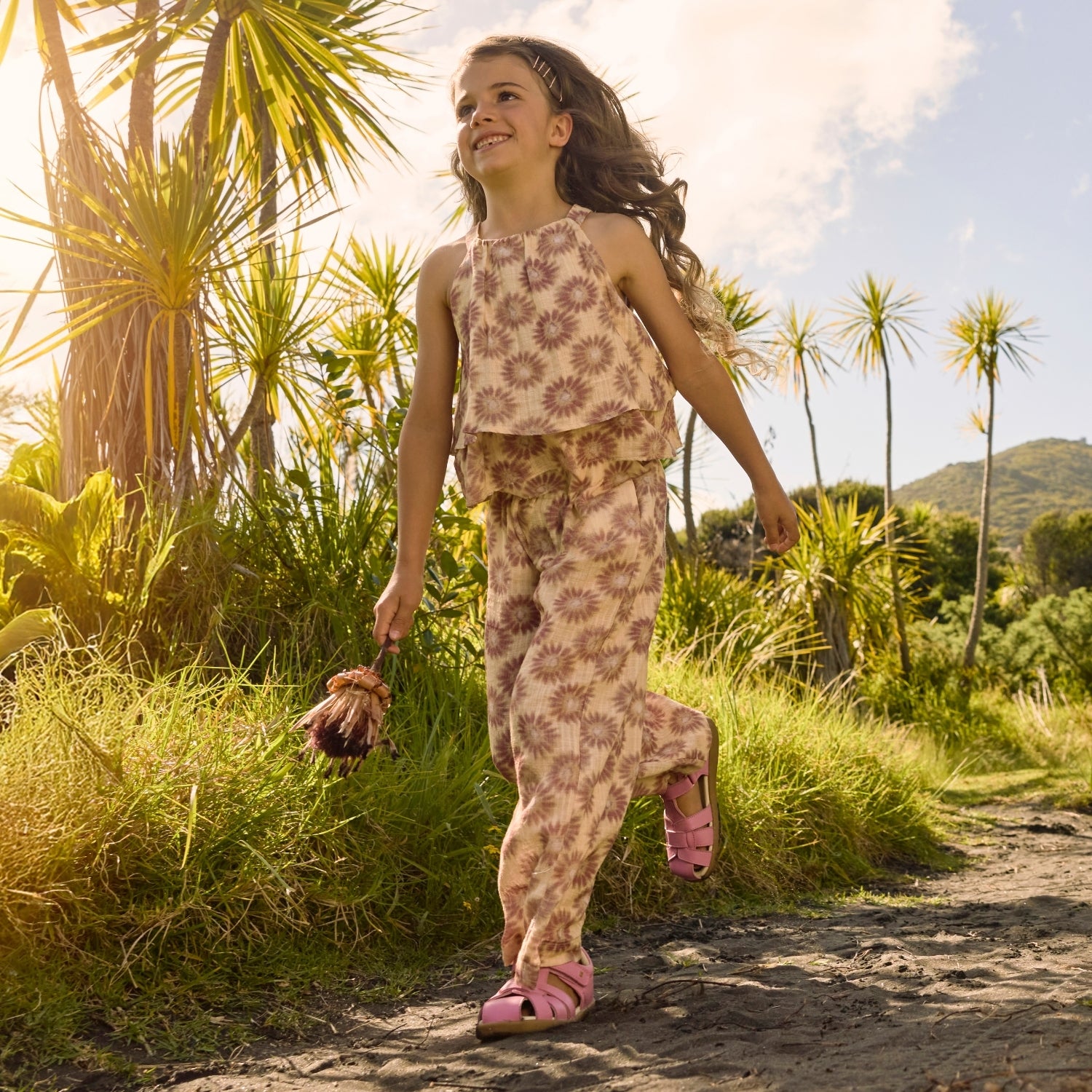
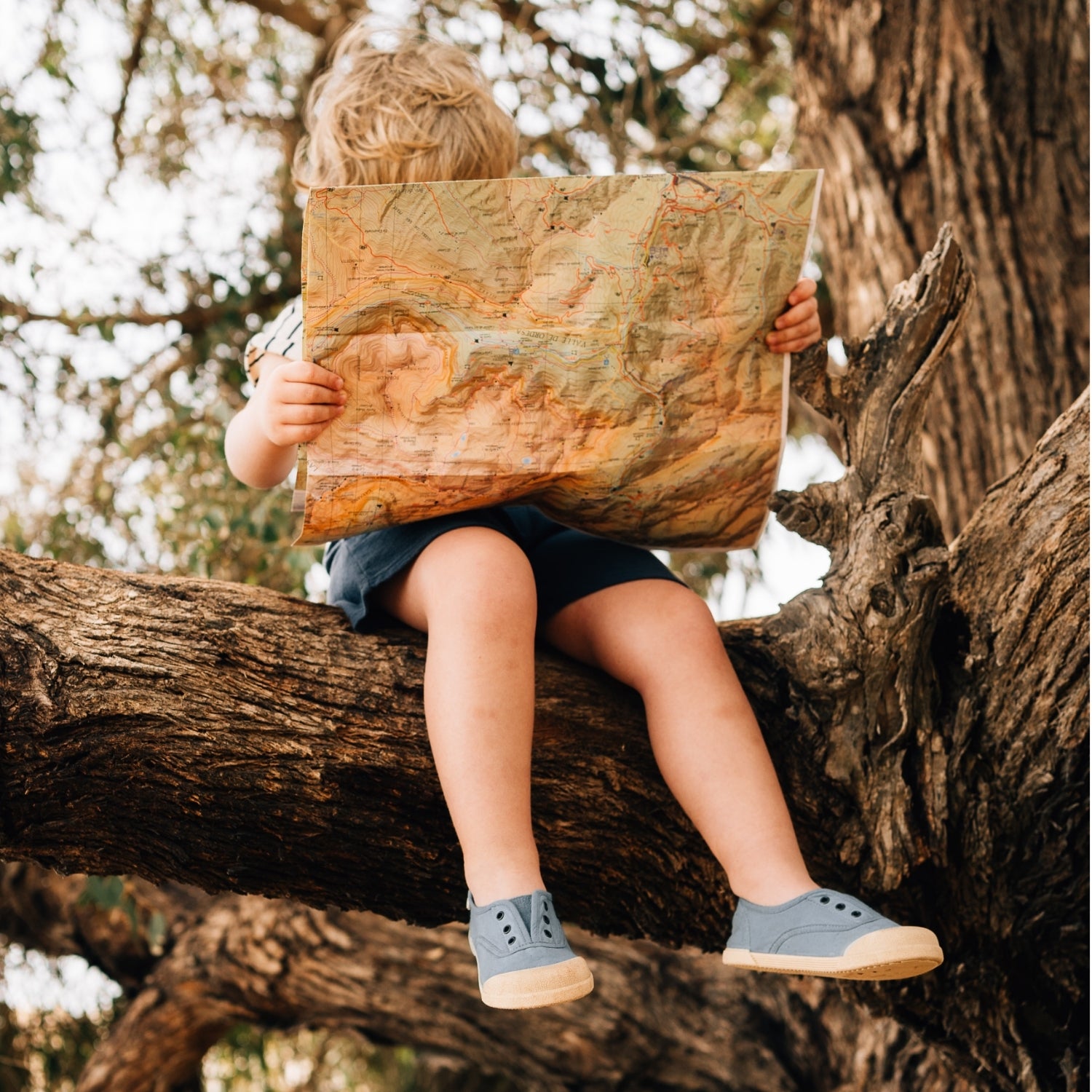
Barefoot shoes are designed to bend and flex easily with the foot. This flexibility allows children to move naturally while walking, running, climbing, and playing.
Traditional shoes often have stiffer soles, particularly in styles designed for durability or added structure.
Many parents appreciate the flexibility of barefoot shoes because they move with the foot during active play and everyday activities.
3. Cushioning and Ground Feel
Another key difference is cushioning.
Barefoot shoes generally have thinner soles and less padding between the foot and the ground. This provides protection while allowing wearers to feel more of the surface beneath their feet compared with heavily cushioned footwear.
Traditional shoes often feature thicker midsoles and additional cushioning designed to absorb impact and create a softer feel underfoot.
Neither approach is necessarily better for every child, but they offer different experiences when walking and playing.
4. Heel Height
Most barefoot shoes have a zero-drop design, meaning the heel and forefoot sit at the same height.
Many traditional shoes include some degree of heel elevation, even if it is relatively small.
A flat sole is one of the defining features of barefoot footwear and is intended to keep the foot in a more natural position inside the shoe.
5. Weight and Overall Feel
Barefoot shoes are usually lightweight and flexible, which many children find comfortable for everyday wear.
Traditional shoes can sometimes feel heavier due to additional materials, cushioning, or structural components.
For active children who spend much of the day moving, some parents prefer the lightweight feel of barefoot footwear.
Which Is Better for Children?
There is no single answer to this question. The best shoe for a child is one that fits properly, feels comfortable, and suits their daily activities.
Many parents choose barefoot shoes because they prioritise natural movement and flexibility. Others prefer traditional footwear for particular situations or personal preferences.
Regardless of style, parents should look for:
- A comfortable fit
- Enough room for the toes
- Appropriate flexibility
- Secure fastenings
- Suitable protection for the activity
A well-fitting shoe is often more important than whether it falls into the barefoot or traditional category.
In summary, when comparing barefoot vs traditional shoes, the main differences come down to toe space, flexibility, cushioning, heel height, and overall design philosophy.
Barefoot shoes are designed to allow natural movement through flexible soles, wide toe boxes, and flat construction. Traditional shoes often focus more on cushioning, structure, and support.
Both types of footwear can provide comfort and protection when chosen correctly. For parents, understanding these differences can make it easier to select shoes that suit their child's feet, activities, and individual needs.