
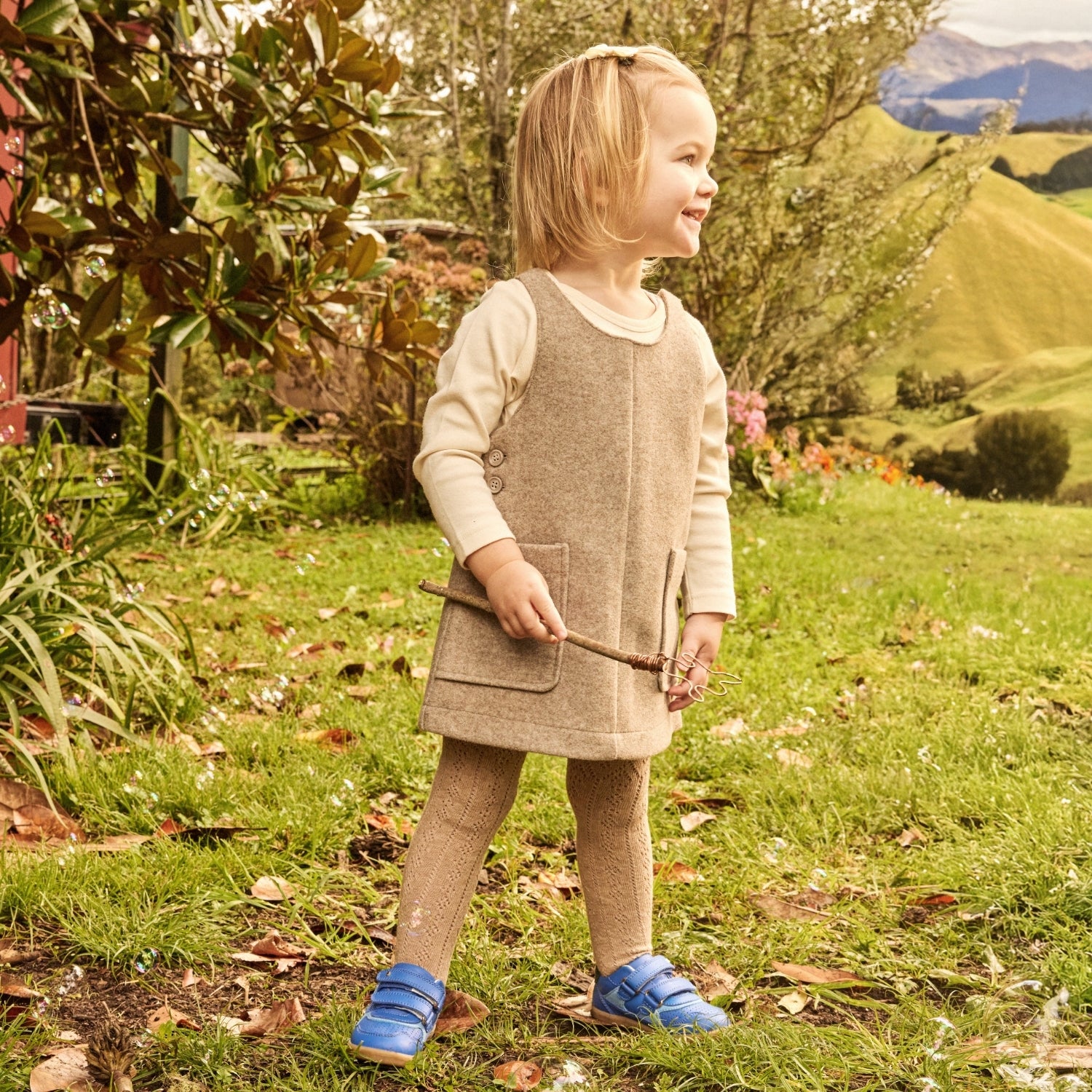
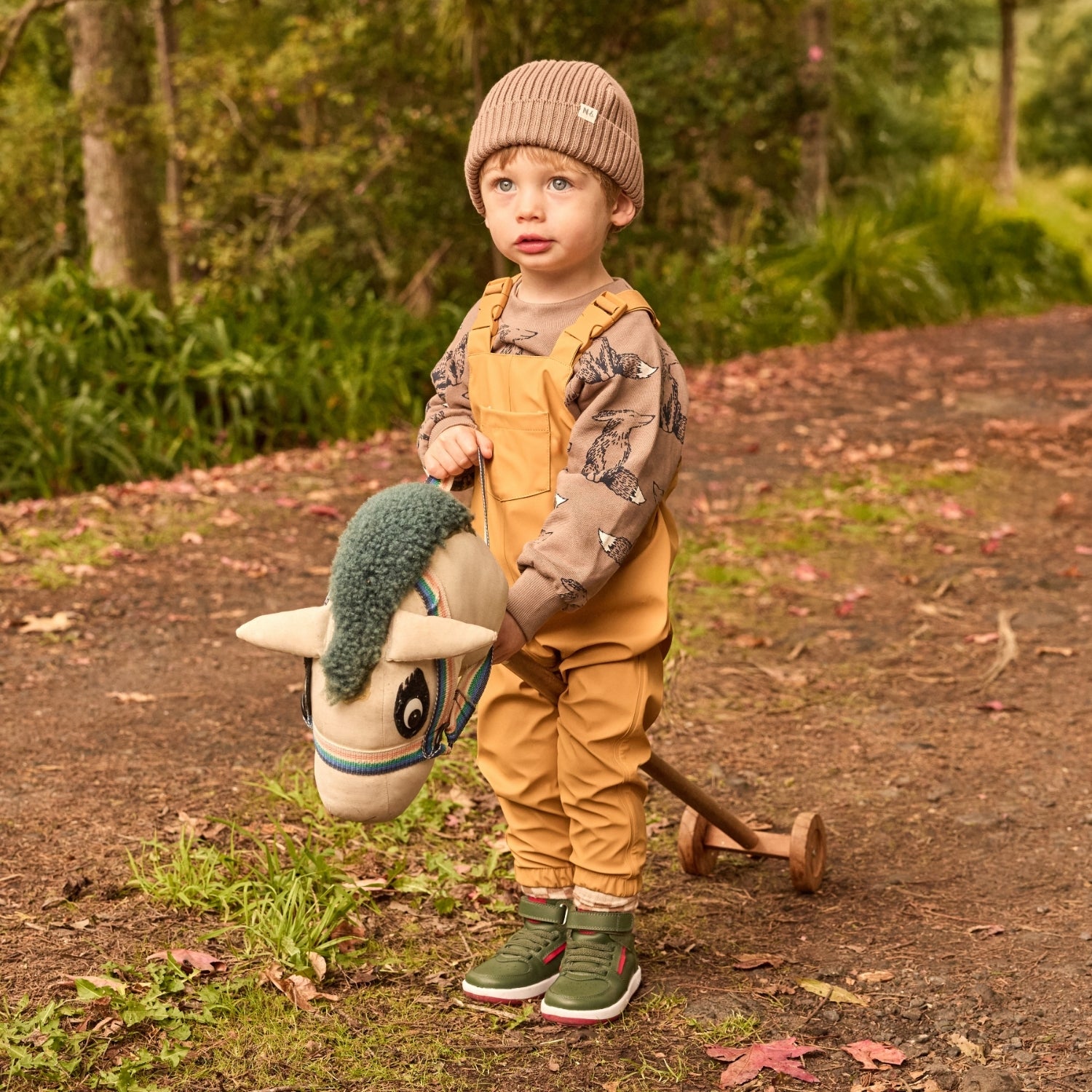
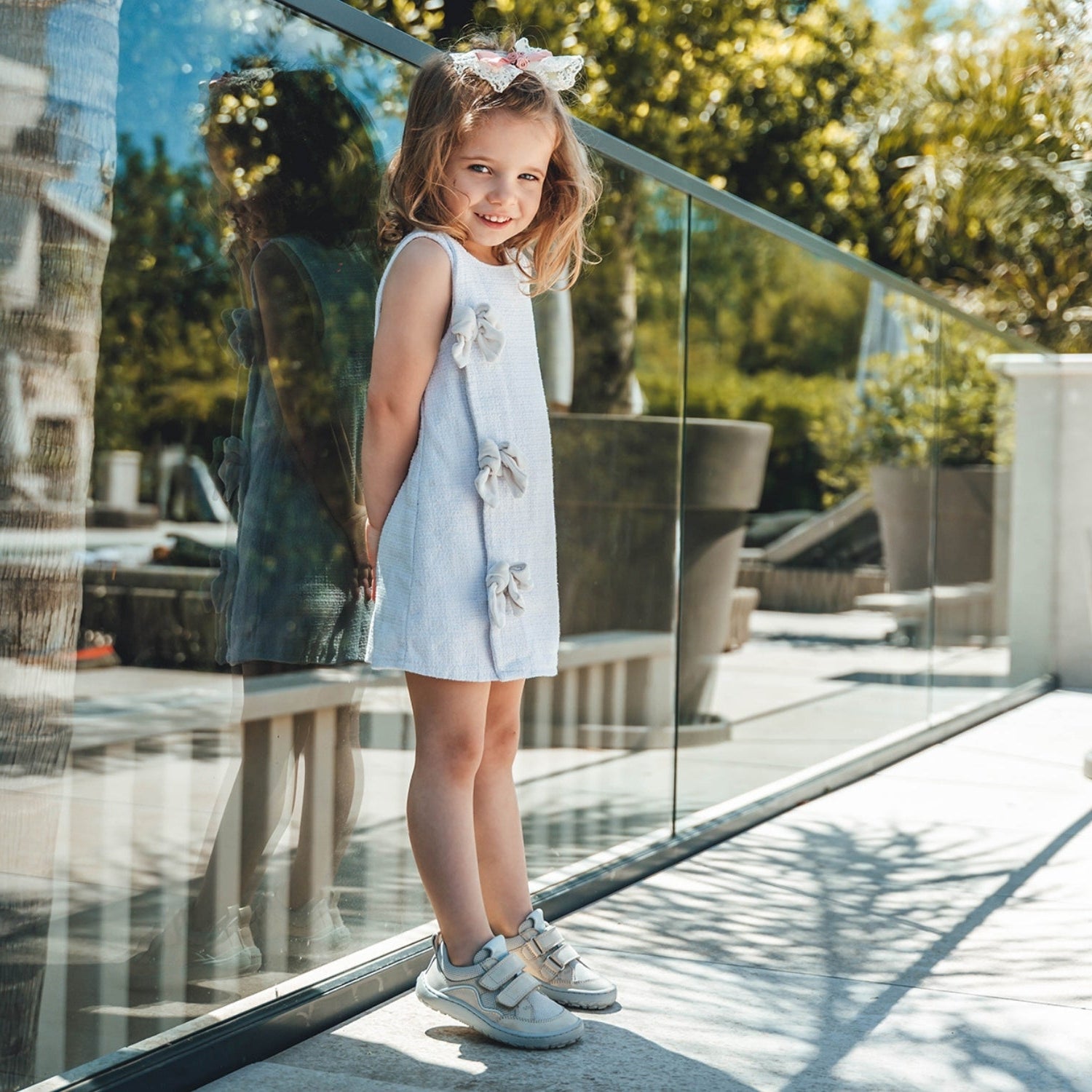
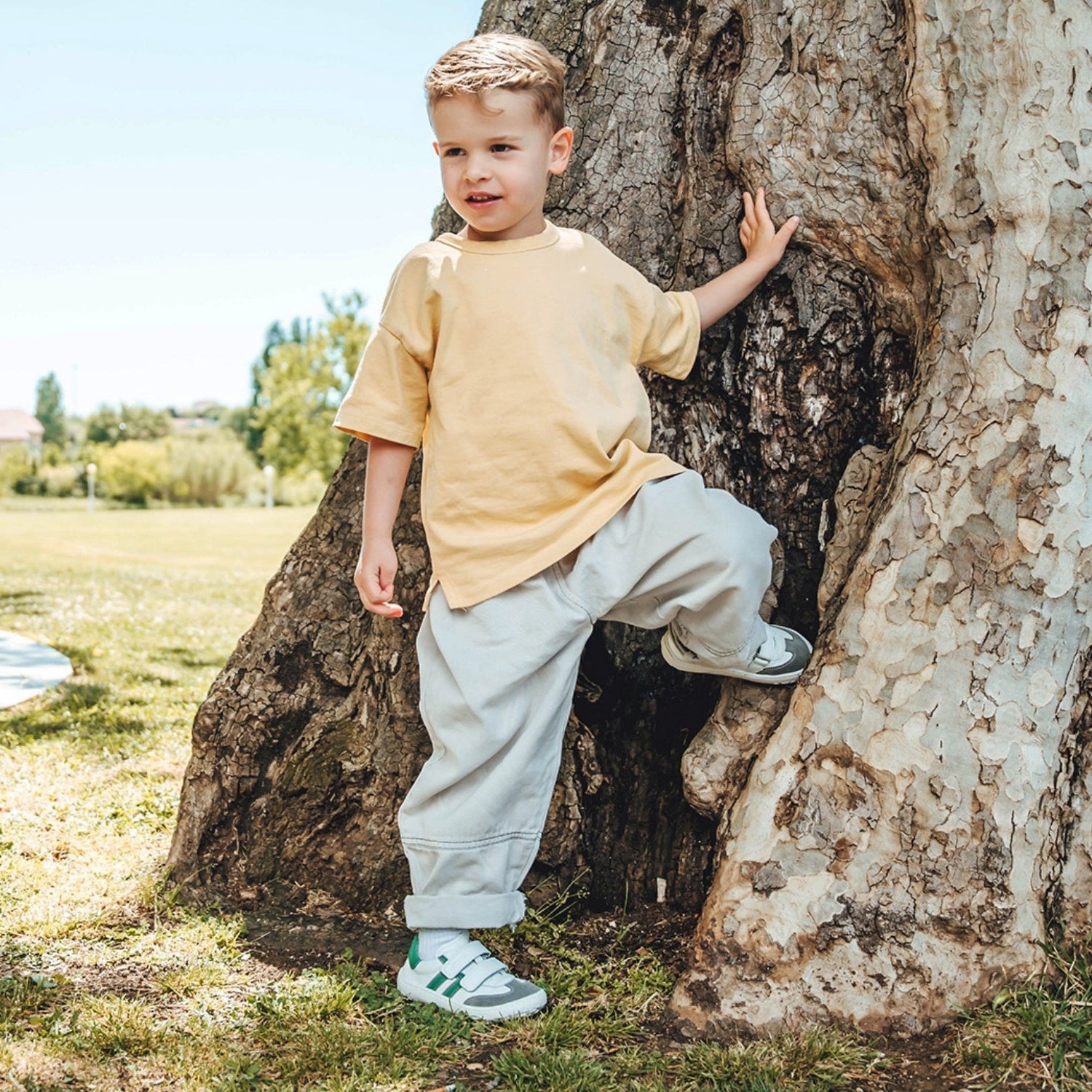

Benefits of Barefoot Shoes

Barefoot shoes have become increasingly popular among parents, but what are the benefits of barefoot shoes, and why are so many families choosing them for their children?
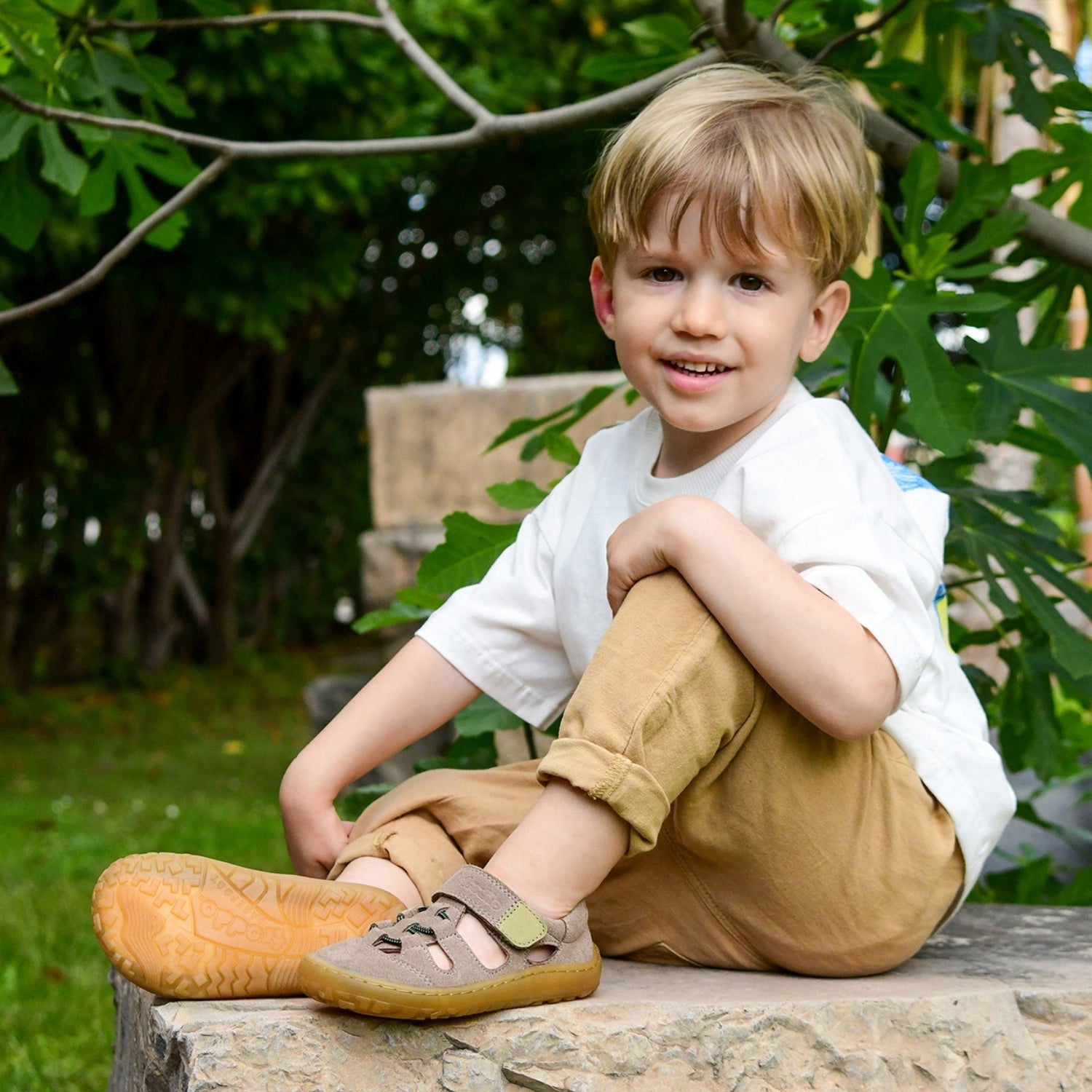
Designed to allow feet to move more naturally, barefoot shoes differ from many conventional footwear styles in several key ways. They typically feature a wide toe box, flexible soles, lightweight construction, minimal cushioning, and a flat, zero-drop design.
While every child is different, many families find that these features make barefoot shoes a comfortable and practical option for everyday wear. Here's a closer look at some of the most commonly discussed benefits of barefoot shoes for children.
Allow Natural Foot Movement
One of the main benefits of barefoot shoes is that they are designed to move with the foot rather than restrict it.
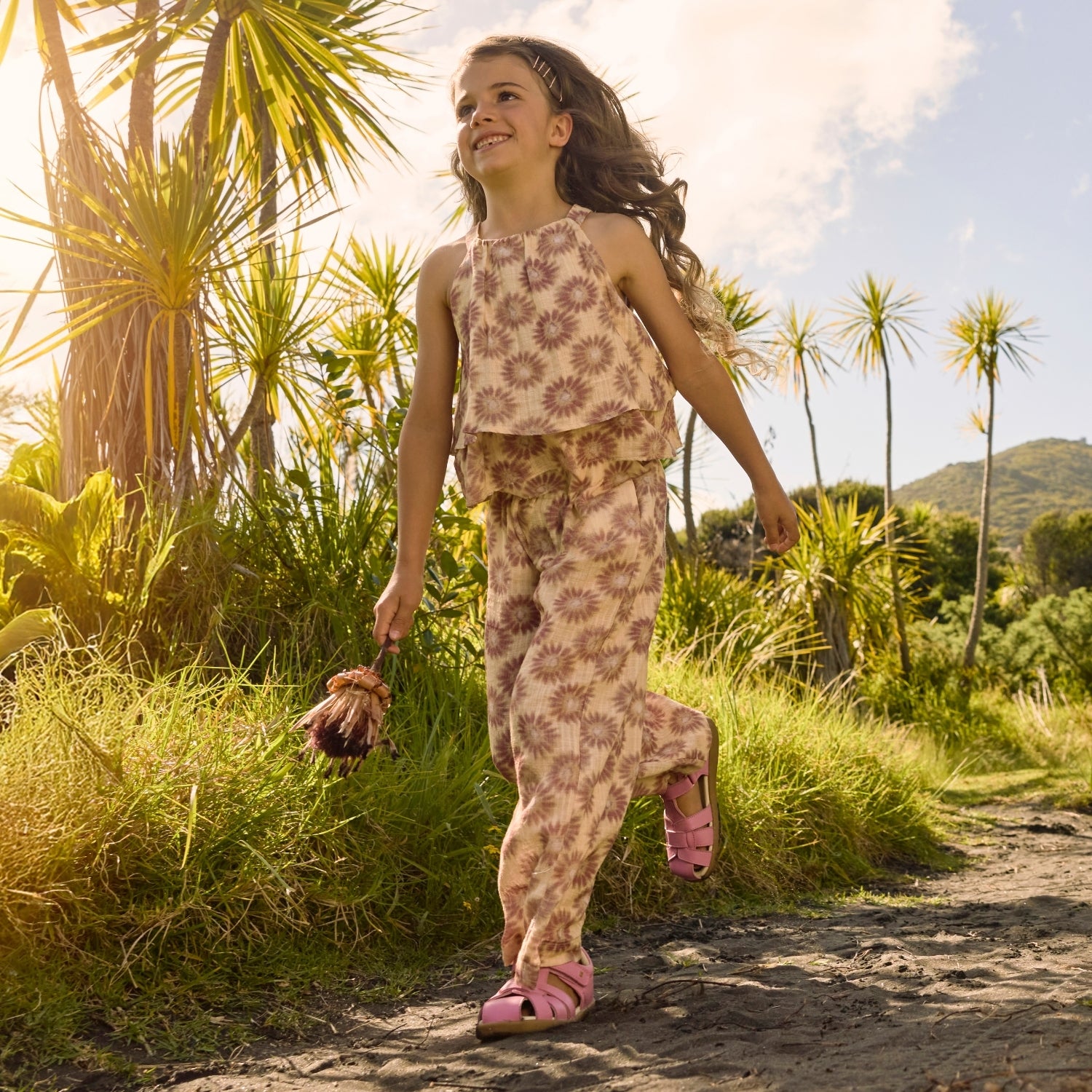
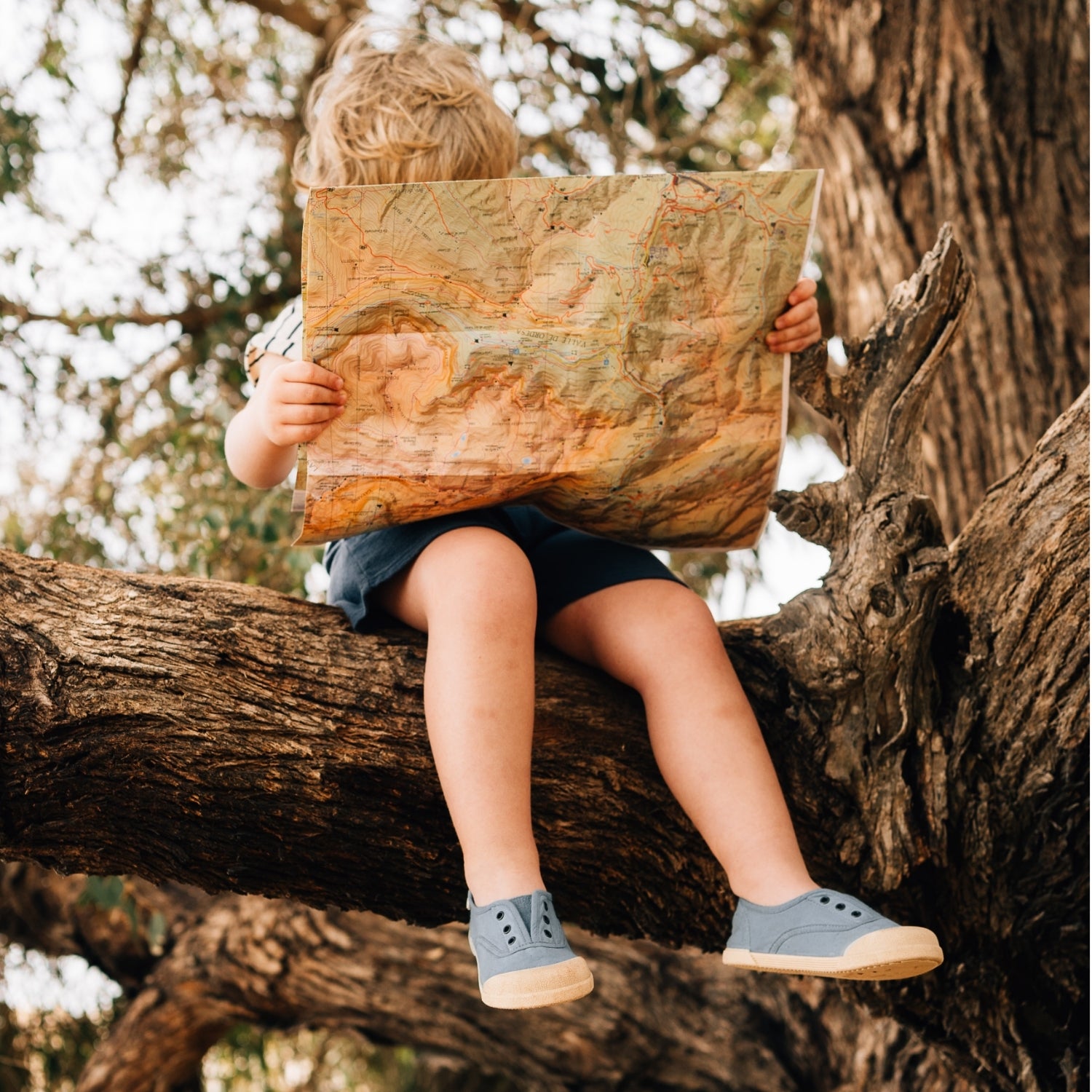
Children are naturally active. Whether they're running around the playground, climbing trees, exploring outdoors, or simply walking to school, their feet are constantly adapting to different surfaces and movements.
Barefoot shoes typically have flexible soles that bend easily, allowing feet to move more freely during everyday activities. Many parents appreciate this design because it allows feet to move more freely while still providing protection from the ground.
Give Toes More Room
Many barefoot shoes feature a wider toe box than conventional children's footwear.
This extra space allows toes to spread naturally rather than being squeezed together. Since toes play an important role in balance and movement, many families prefer footwear that provides enough room for natural toe movement.
Children's feet come in a variety of shapes and widths, and a roomy toe box can often feel more comfortable, particularly for children with broader feet.
Lightweight and Comfortable
Heavy shoes can sometimes feel restrictive, especially for younger children who spend much of their day on the move.
Barefoot shoes are often designed using lightweight materials, helping children move comfortably without the added bulk found in some traditional footwear.
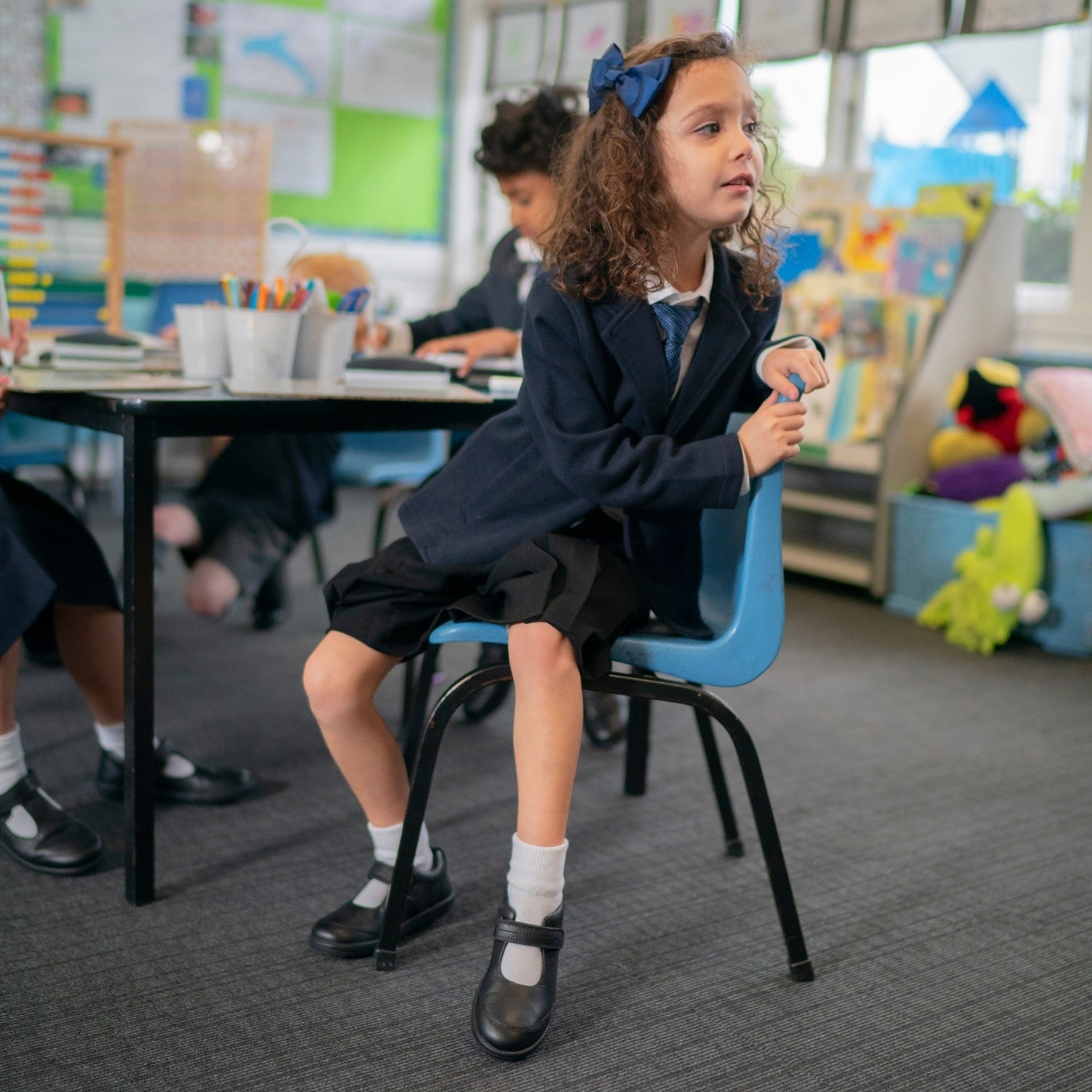
For many families, lightweight shoes are particularly appealing for everyday wear, including school, nursery, outdoor play, and family outings.
Encourage a Natural Foot Position
Most barefoot shoes feature a zero-drop sole, meaning there is no height difference between the heel and the forefoot.
In contrast, many conventional shoes have a raised heel, even if the difference is relatively small.
A flat sole allows the foot to sit in a more natural position inside the shoe. This simple design feature is one of the defining characteristics of barefoot footwear and is often cited as a reason parents choose it for growing children.
Increase Flexibility During Play
Children rarely stay still for long. Running, jumping, balancing, climbing, and exploring all require feet to move and adapt quickly.
The flexible construction of barefoot shoes allows children to bend their feet more naturally compared with shoes that have rigid or heavily structured soles.
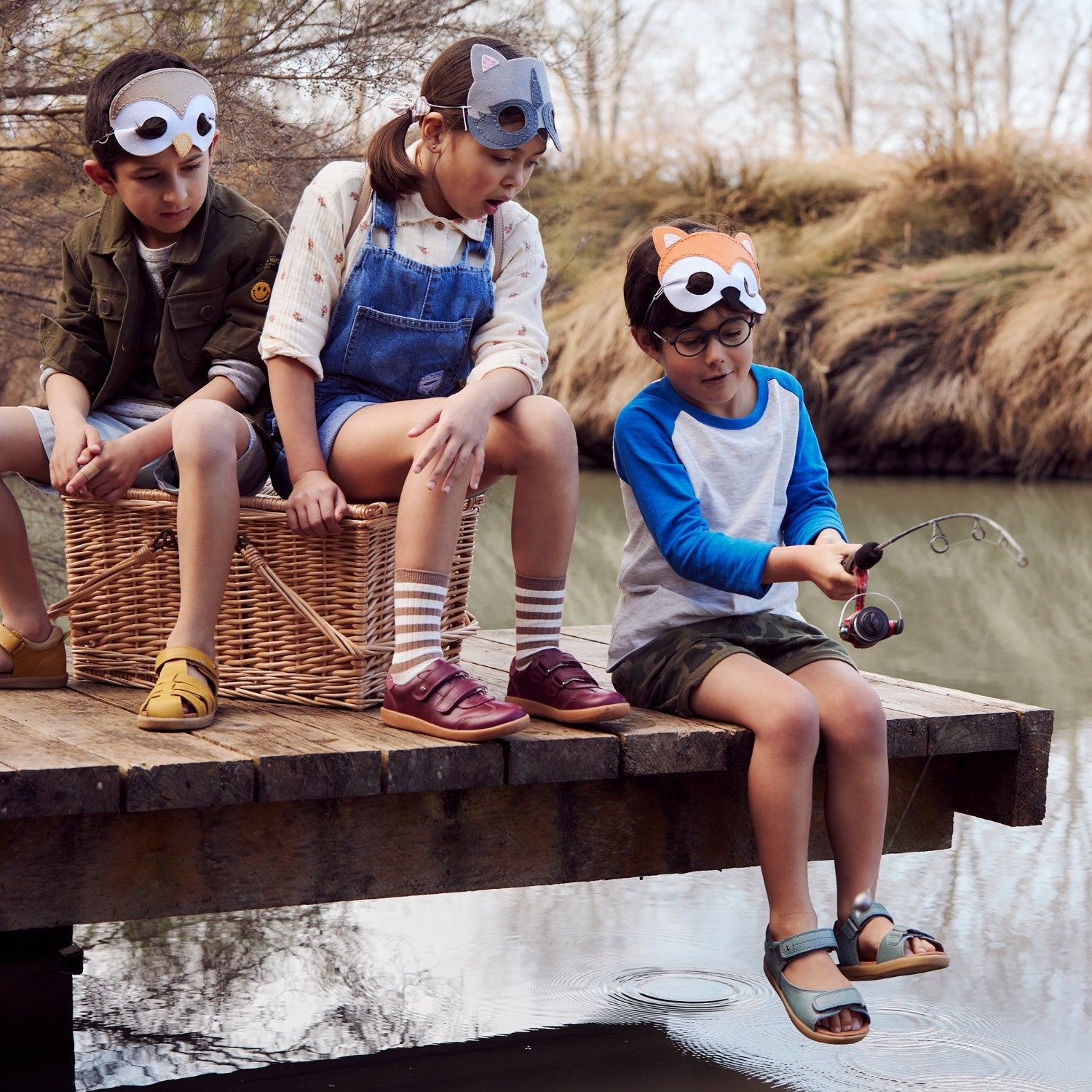
Many parents find that this flexibility makes barefoot shoes particularly well-suited to active lifestyles and outdoor play.
Increased Ground Awareness
Another commonly discussed benefit of barefoot shoes is increased ground feel, sometimes referred to as ground awareness.
Because barefoot shoes usually have thinner soles than heavily cushioned footwear, wearers may have a greater awareness of the surface beneath their feet.
While still providing protection, the thinner sole means there is less material between the foot and the ground compared with many heavily cushioned shoes.
Suitable for a Wide Range of Activities
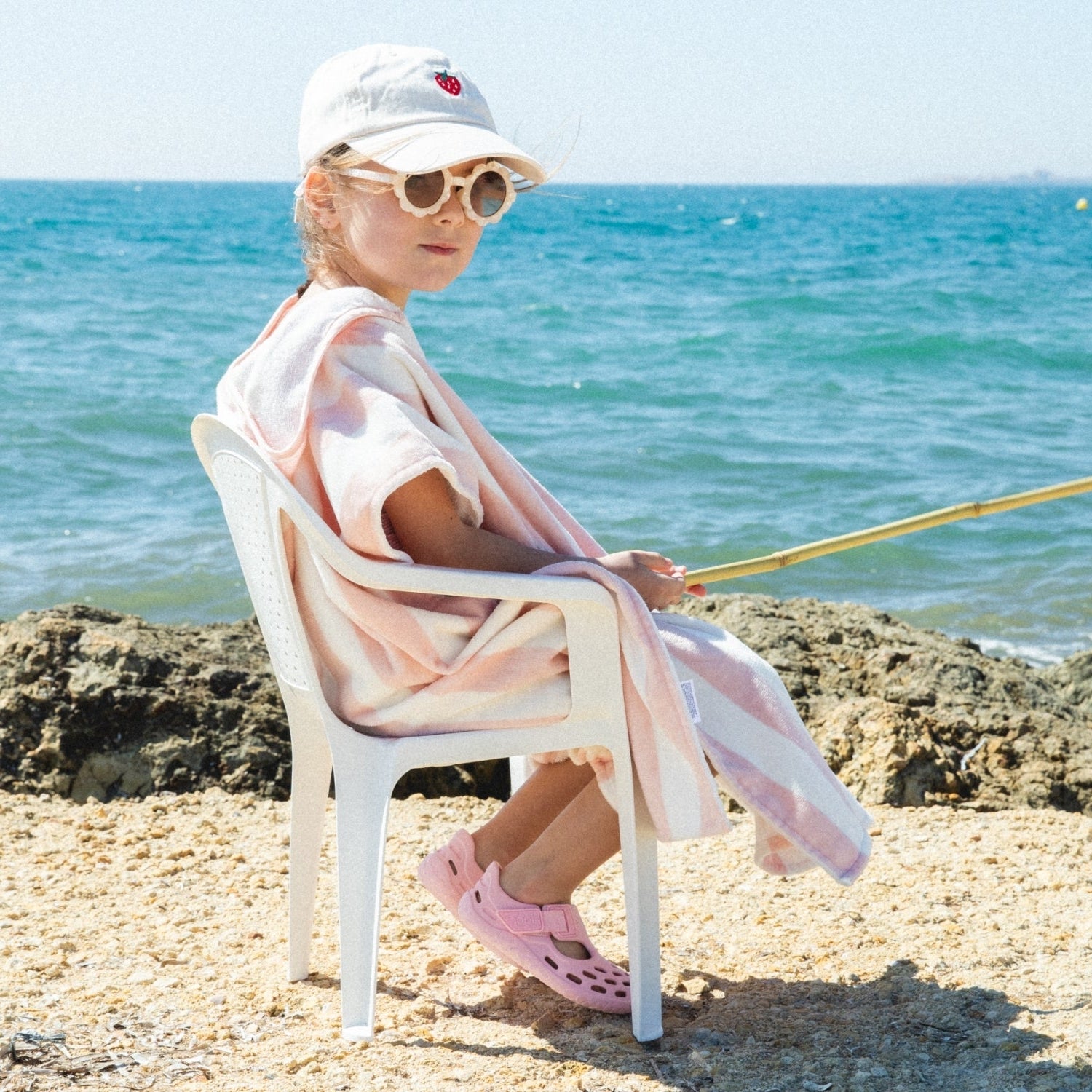
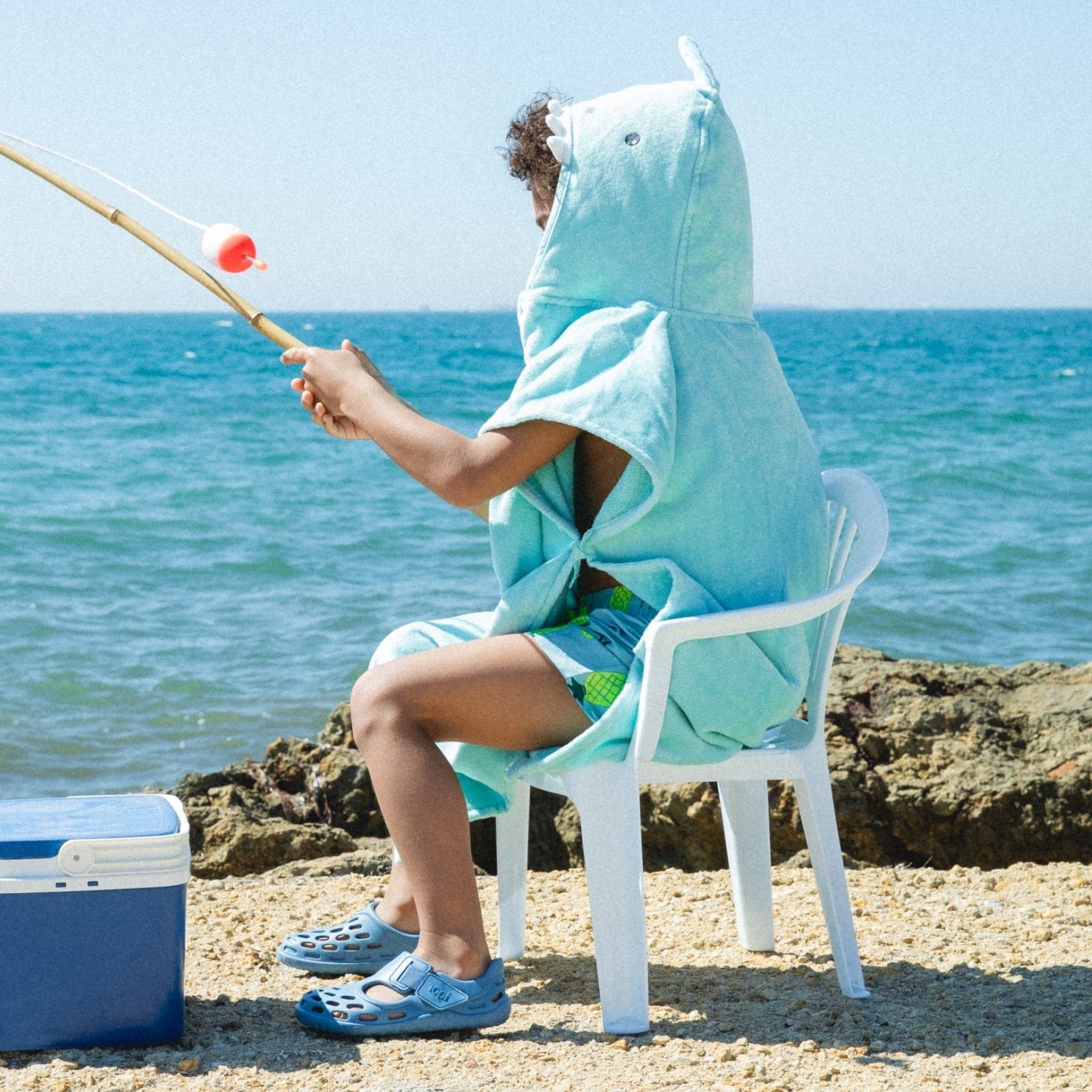
Barefoot shoes are available in a growing range of styles, making them suitable for many everyday situations.
Parents can now find barefoot:
- School shoes
- Trainers
- Sandals
- Boots
- Waterproof shoes
- First walker shoes
This variety means families can often find barefoot footwear for different seasons, occasions, and stages of childhood.
Choosing the Right Barefoot Shoes
While barefoot shoes offer many potential benefits, choosing the correct size and fit remains essential.
When shopping for children's barefoot shoes, look for:
- Adequate room around the toes
- A flexible sole
- Secure fastenings
- Lightweight construction
- A comfortable overall fit
Children's feet grow quickly, so regular fit checks can help ensure shoes continue to provide enough space and comfort.
When to Seek Professional Advice
If your child has a diagnosed foot condition, experiences foot pain, or has specific footwear requirements, it may be helpful to seek advice from a qualified healthcare professional, such as a podiatrist, before choosing footwear.
The benefits of barefoot shoes largely centre around comfort, flexibility, and natural movement. Features such as wide toe boxes, lightweight materials, flexible soles, and flat designs have made them a popular choice among parents looking for comfortable, flexible footwear for growing children.
While every child has different needs, many families appreciate the freedom of movement and everyday comfort that barefoot shoes can provide. As always, the most important factor is choosing well-fitting footwear that suits your child's feet, activities, and lifestyle.