

What Are Barefoot Shoes?

Barefoot shoes are footwear designed to allow feet to move as naturally as possible while still providing protection from the ground. They are inspired by the idea of walking barefoot and aim to interfere less with the natural movement of the feet than many conventional shoes.
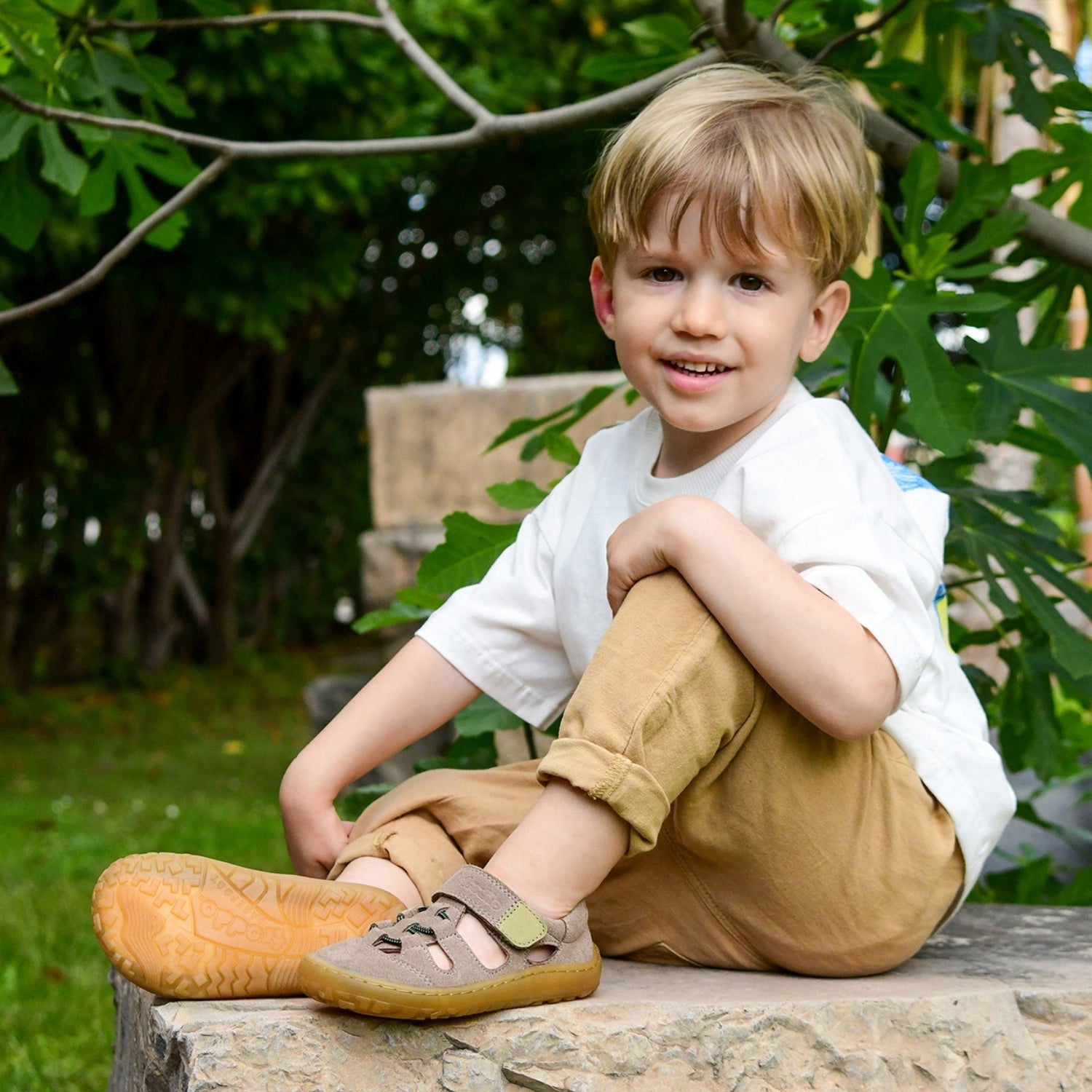
Unlike traditional footwear, barefoot shoes typically feature a flexible sole, a wide toe box, minimal cushioning, and a flat design with no raised heel. These characteristics are intended to help wearers move comfortably while maintaining a closer connection to the ground beneath them.
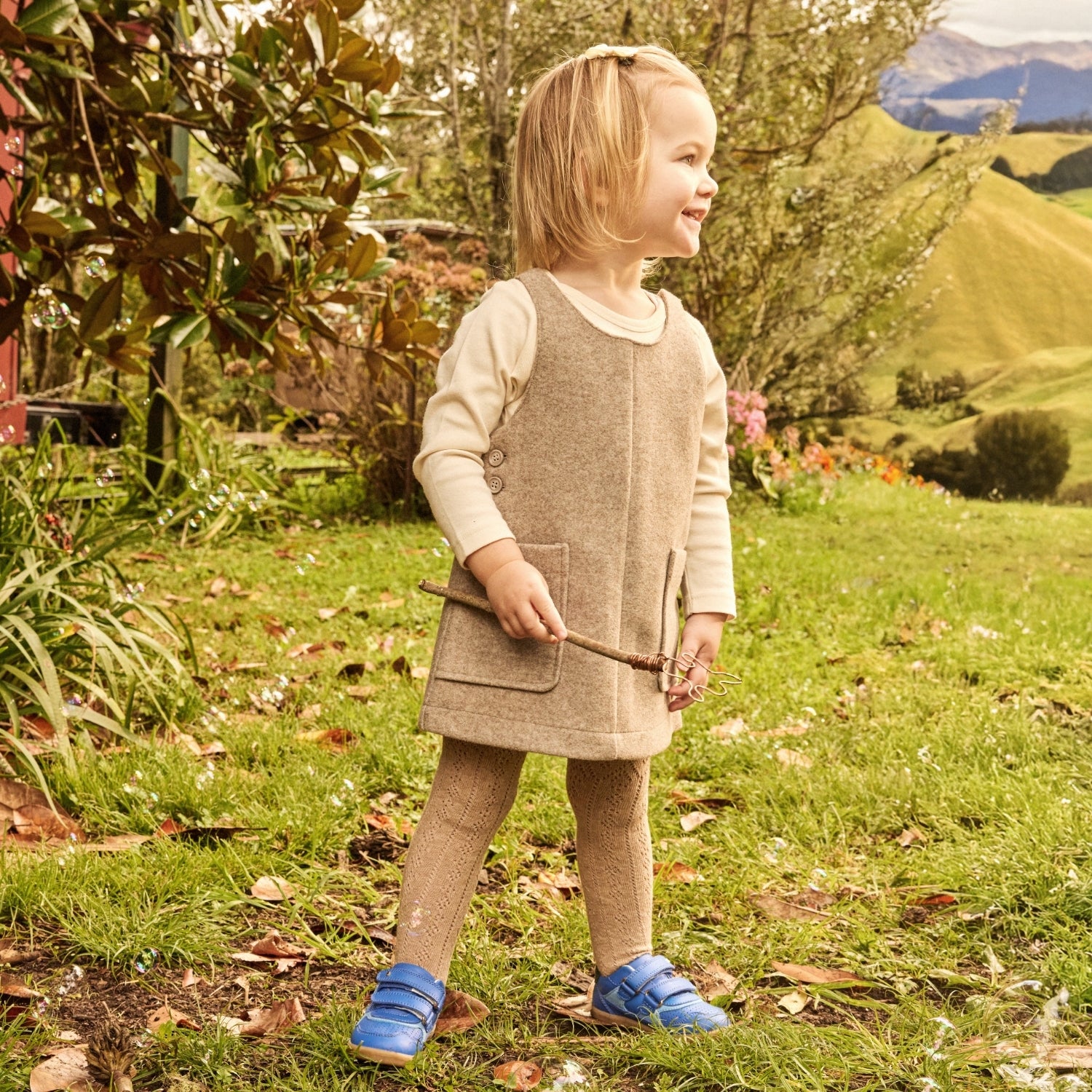
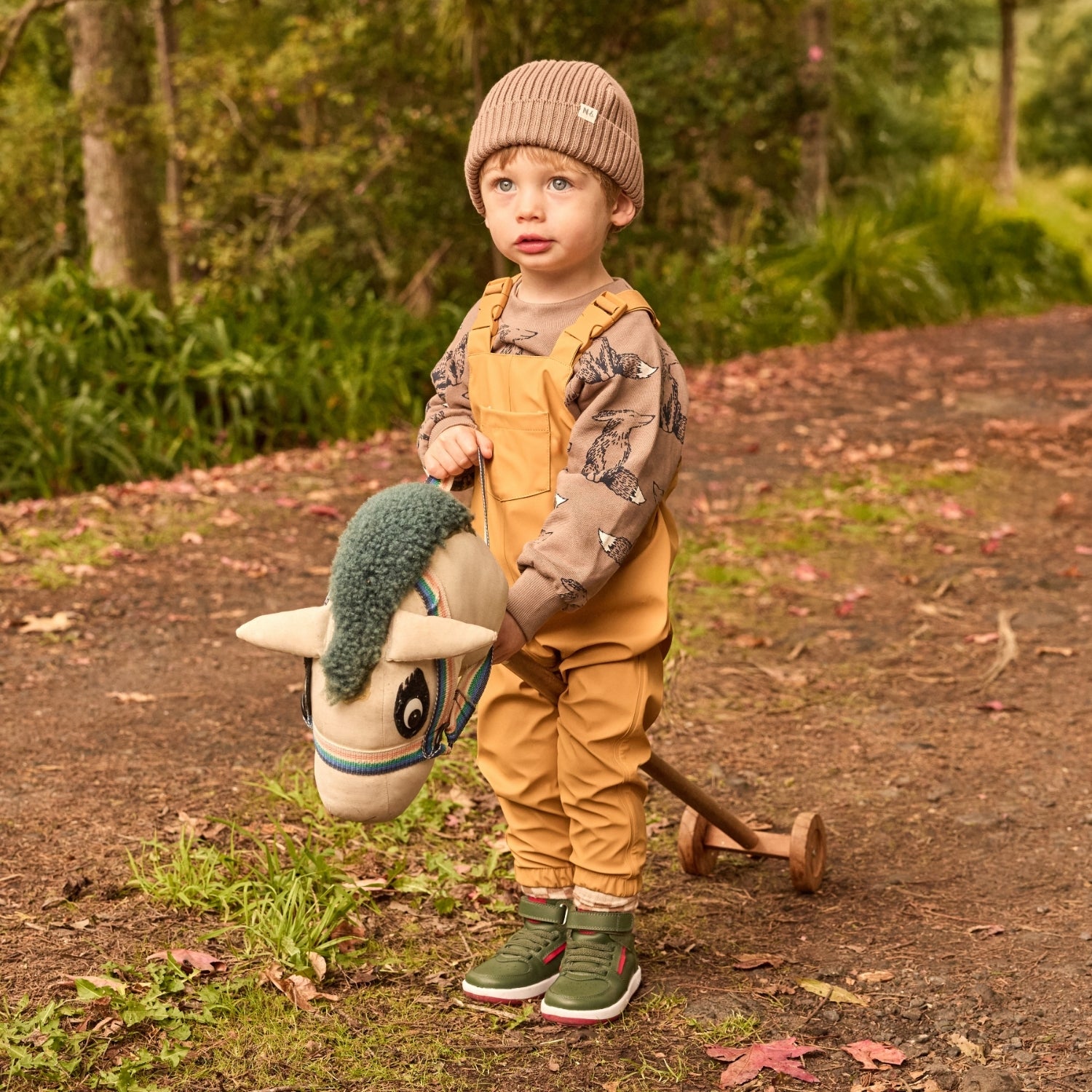
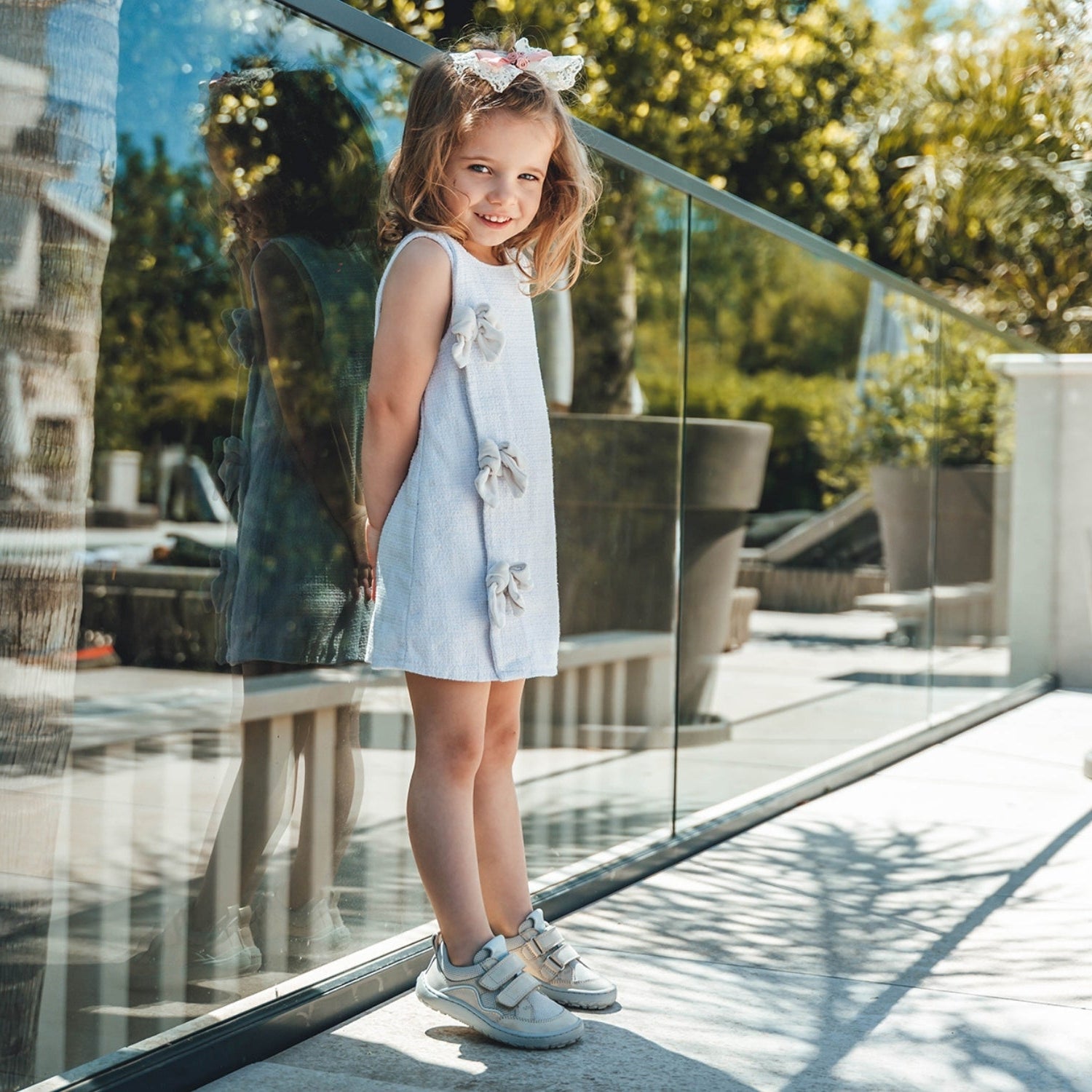
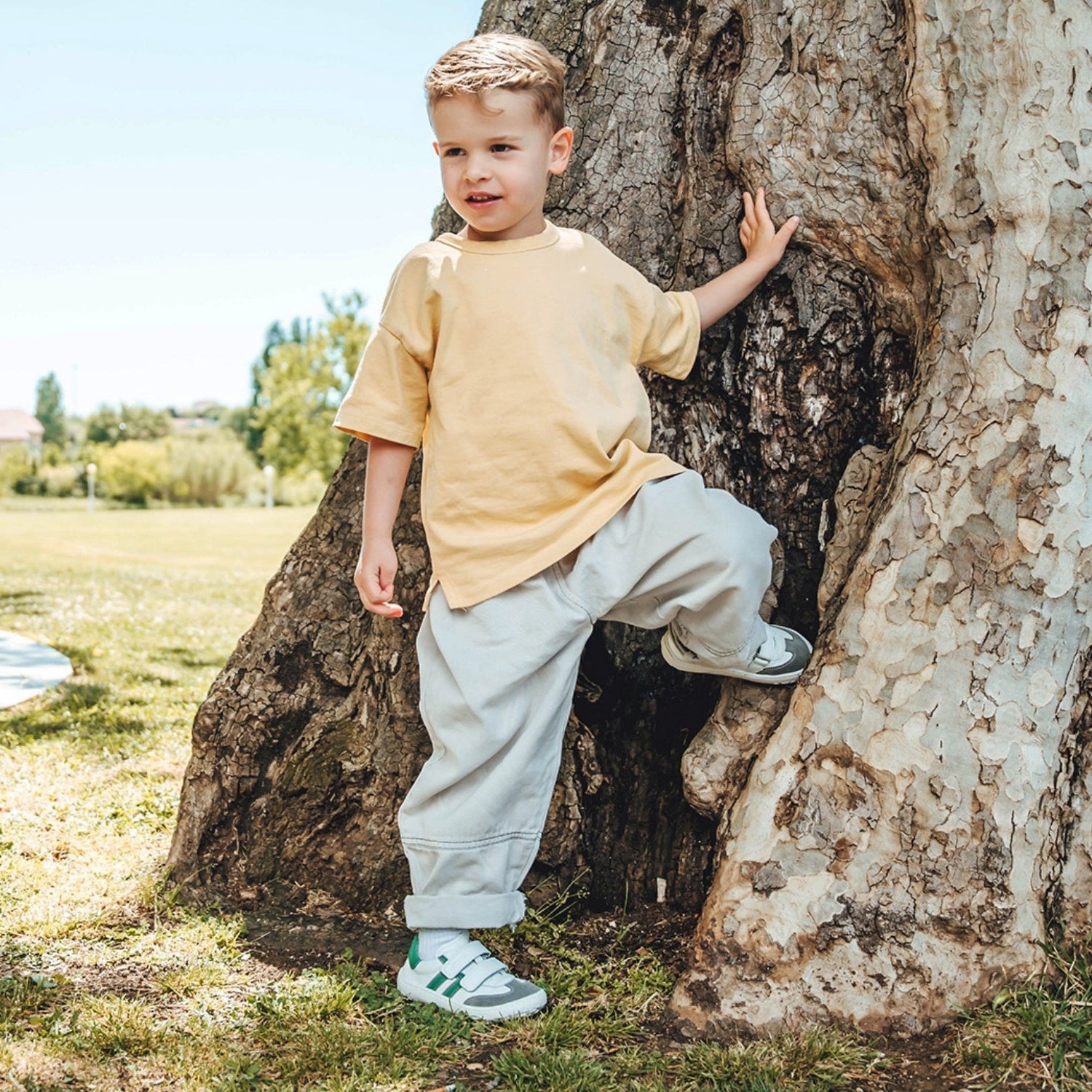
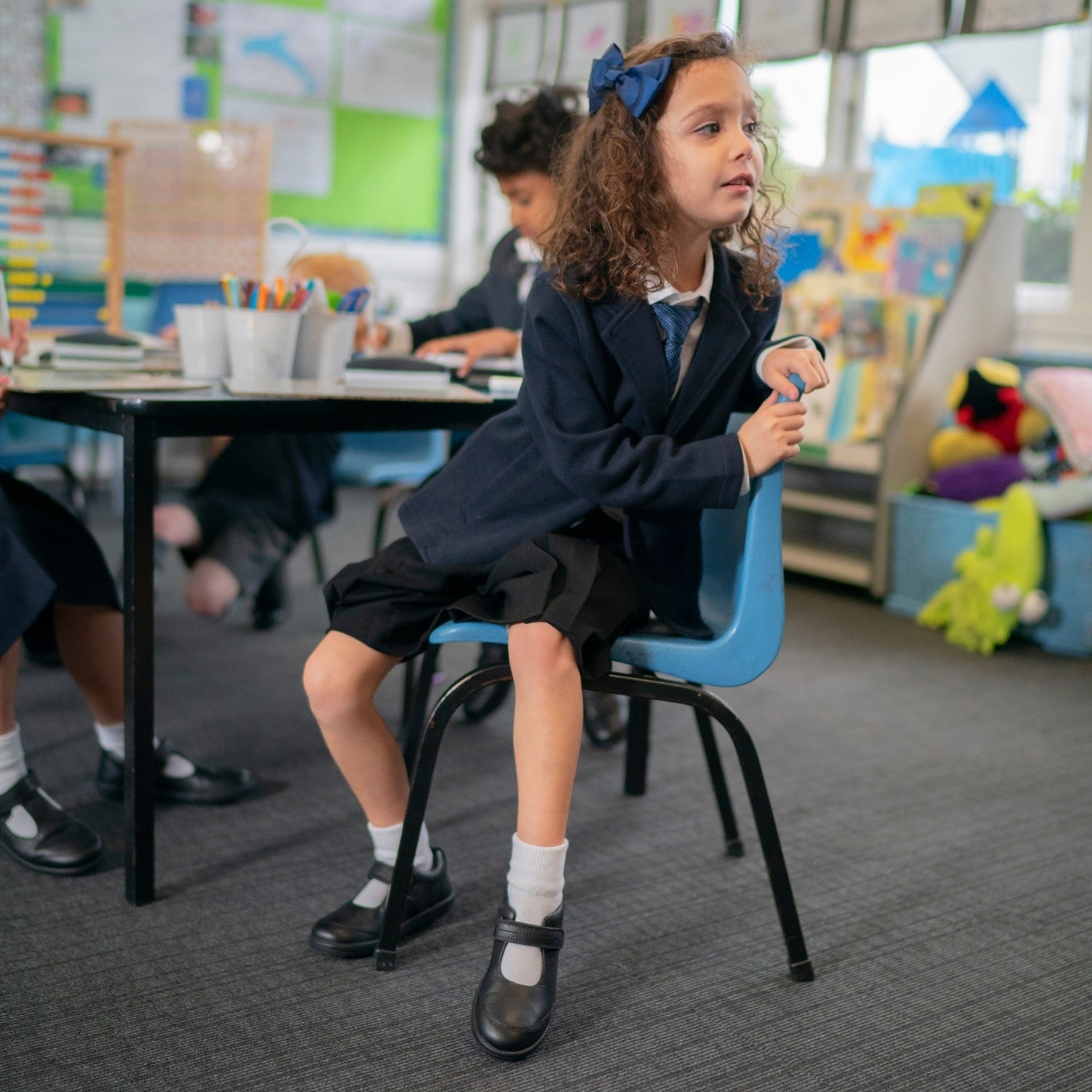
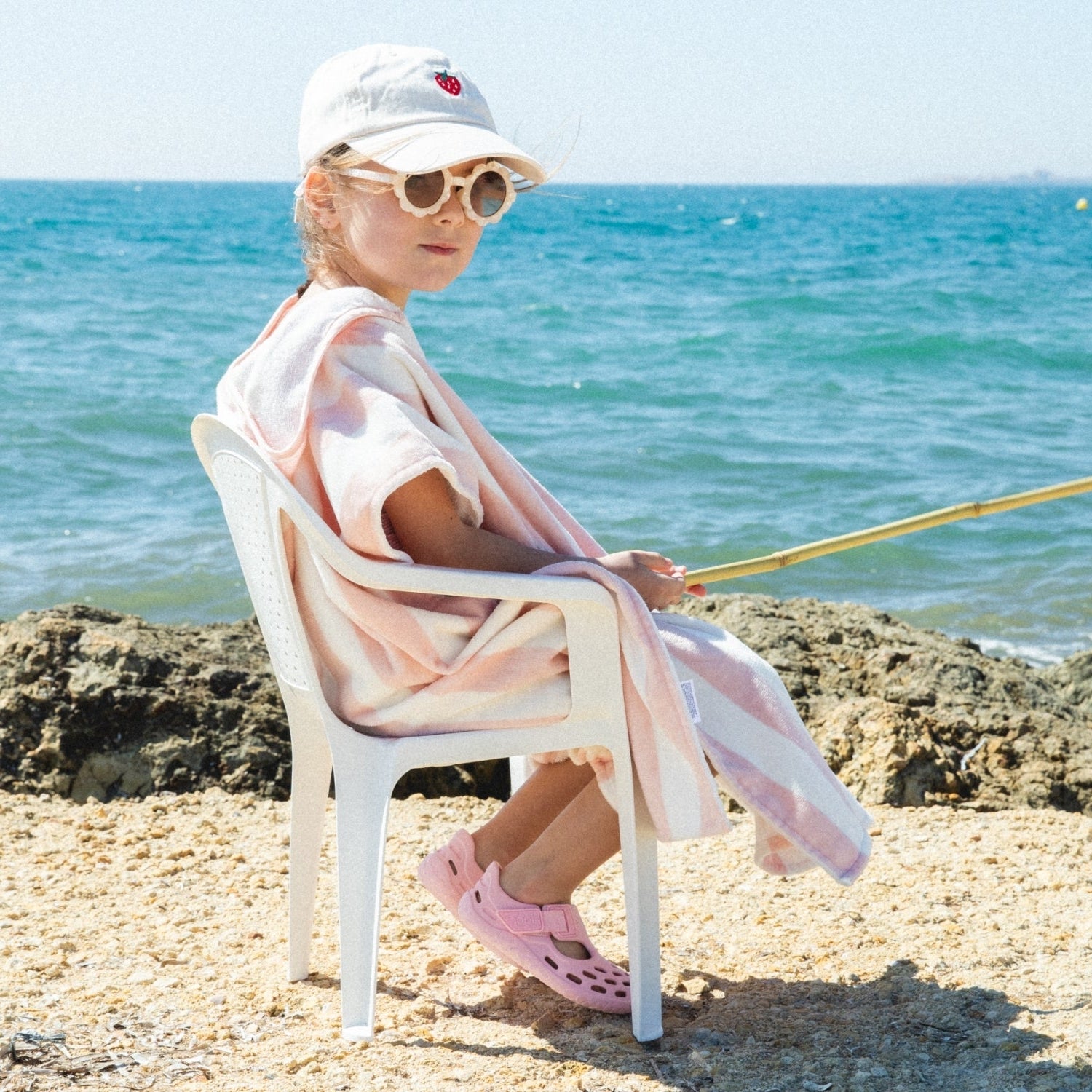
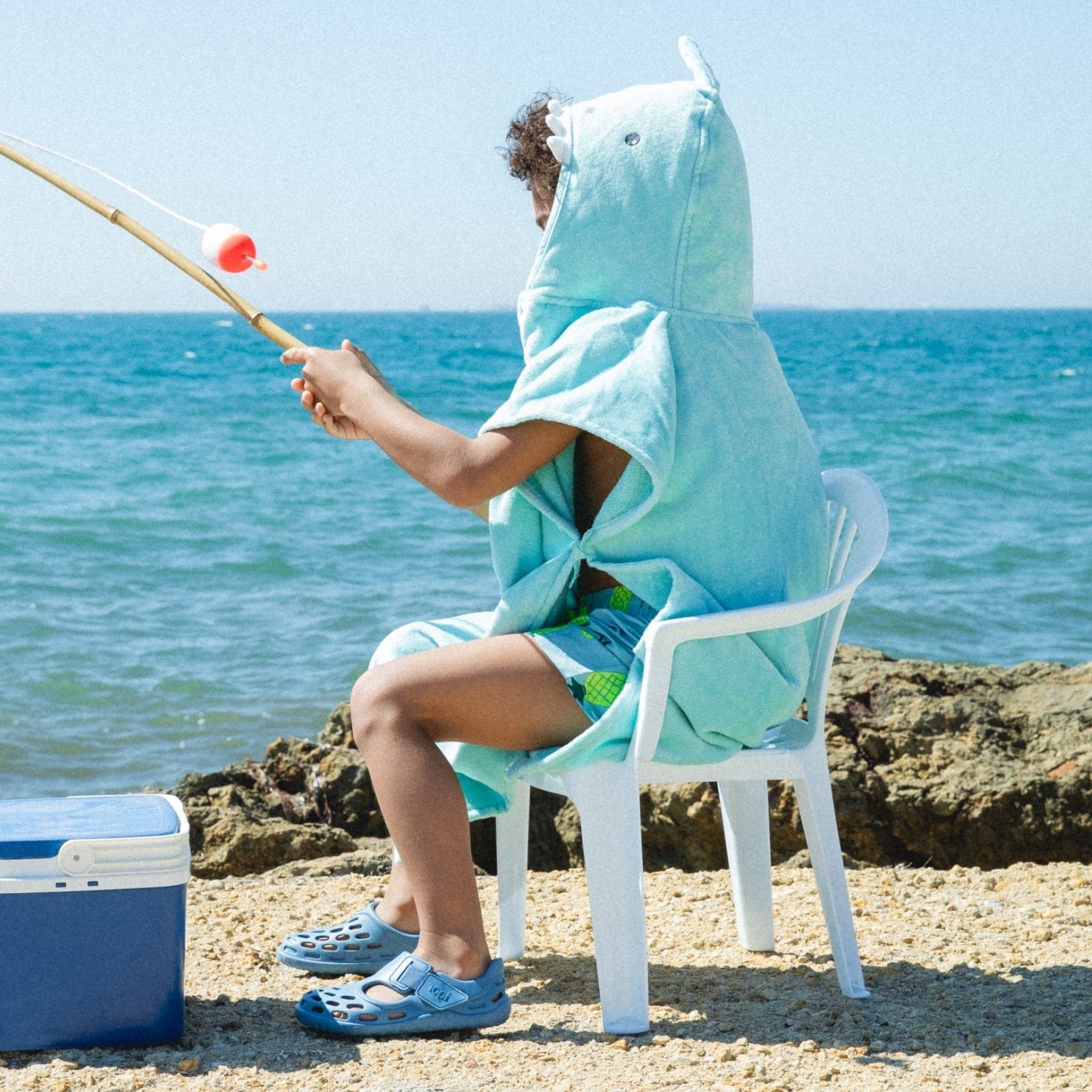
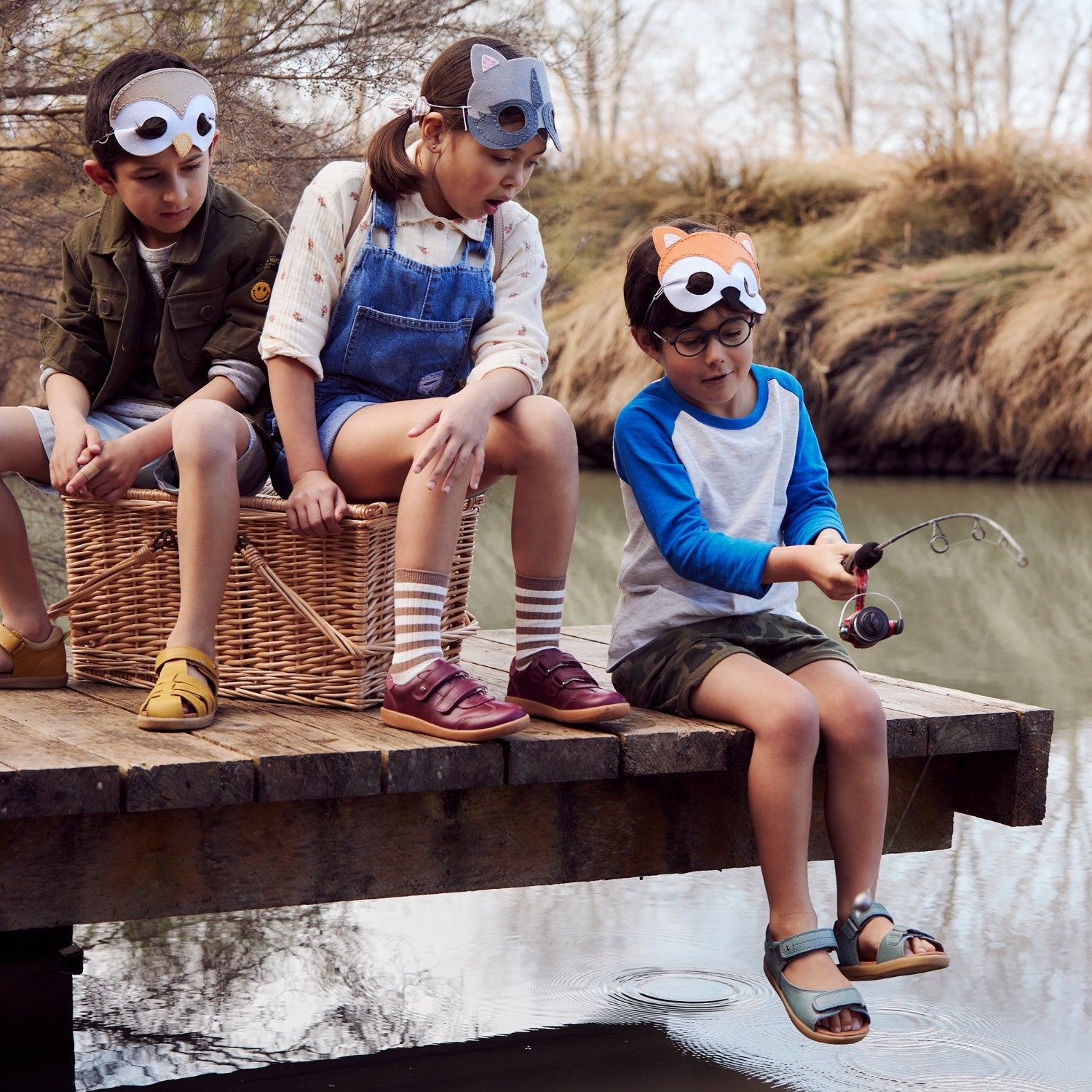
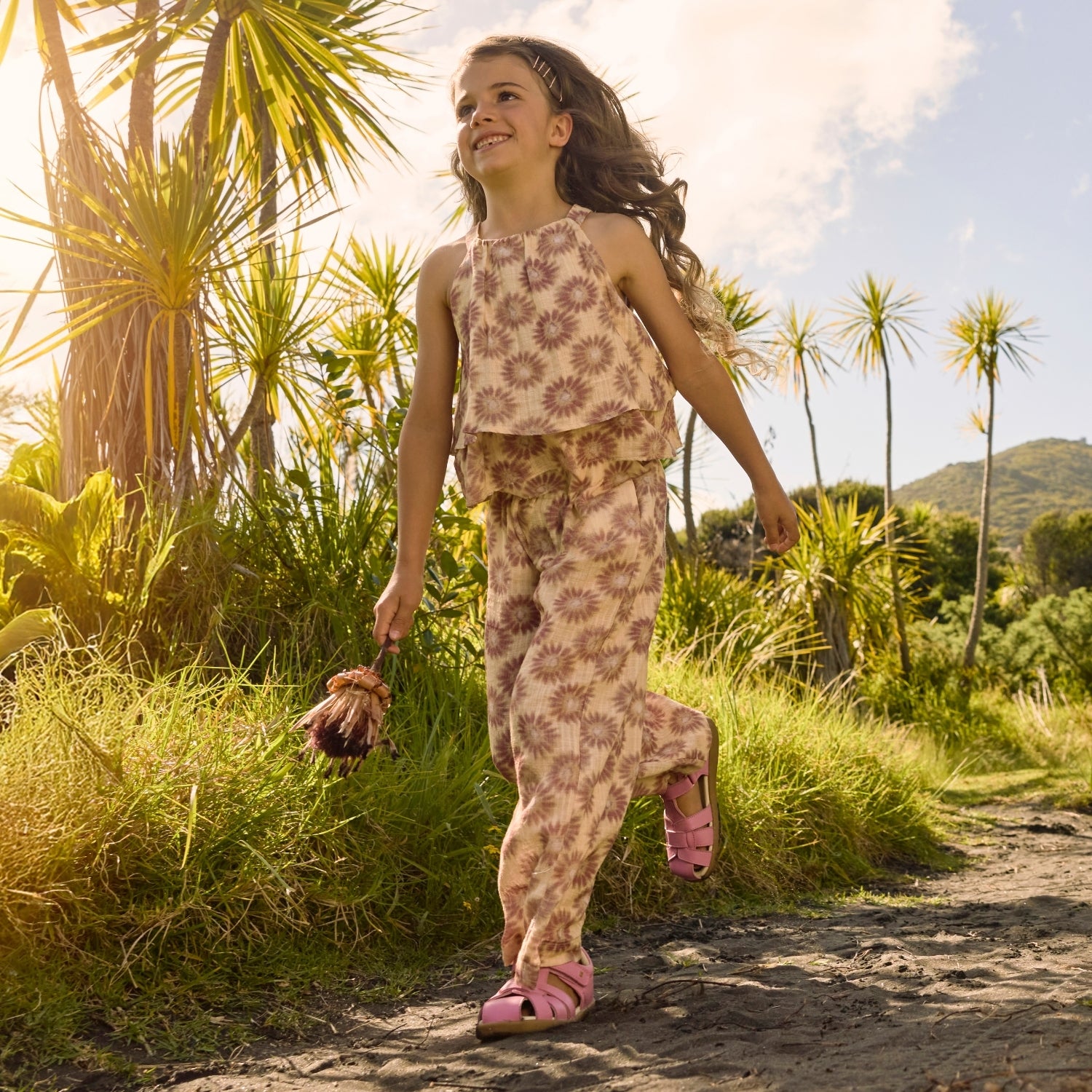
Barefoot shoes are available for adults and children and come in a wide range of styles, including trainers, school shoes, boots, sandals, and everyday casual footwear.
The Key Features of Barefoot Shoes
While designs vary between brands, most barefoot shoes share several common characteristics.
Wide Toe Box
Barefoot shoes are designed with a wider shape at the front, giving the toes more room to spread naturally. This differs from many conventional shoes that taper towards the toe area.
Flexible Sole
A barefoot shoe should bend and flex easily with the movement of the foot. Flexible soles allow for more natural walking, running, climbing, and playing.

Zero-Drop Design
Most barefoot shoes have a "zero-drop" sole, meaning there is no height difference between the heel and the forefoot. The foot sits level inside the shoe rather than being elevated at the heel.
Lightweight Construction
Barefoot footwear is typically lightweight, helping to reduce unnecessary bulk and allowing for unrestricted movement.
Minimal Cushioning
Rather than relying on thick layers of foam or padding, barefoot shoes usually provide a thinner sole that offers protection while allowing greater ground awareness.
Why Are They Called Barefoot Shoes?
The term "barefoot shoes" comes from their goal of recreating some of the natural movement associated with being barefoot while still protecting feet from rough surfaces, weather conditions, and everyday hazards.
Although they are not the same as walking barefoot, their design philosophy focuses on allowing feet to function more naturally than many traditional shoe designs.
Who Can Wear Barefoot Shoes?
Barefoot shoes are available for people of all ages, including:
- Babies and first walkers
- Toddlers
- School-age children
- Teenagers
- Adults
They are available in a variety of styles suited to everyday wear, school, outdoor adventures, sports, and special occasions.
Are Barefoot Shoes the Same as Minimalist Shoes?
The terms "barefoot shoes" and "minimalist shoes" are often used interchangeably. Both generally describe footwear that prioritises natural movement, flexibility, and minimal interference with the foot's natural function.
However, some minimalist shoes may include slightly different design elements depending on the manufacturer and intended use.
Choosing Barefoot Shoes
When selecting barefoot shoes, it is important to consider factors such as fit, foot shape, activity level, and intended use. The best barefoot shoe is one that fits comfortably, allows natural movement, and provides appropriate protection for the activities involved.
For children especially, regular size checks are important, as growing feet can quickly outgrow their footwear.
Barefoot shoes are designed to support natural movement by combining flexible soles, wide toe boxes, lightweight materials, and flat, zero-drop designs. They offer a different approach to footwear that prioritises freedom of movement while still providing everyday protection.
As awareness of barefoot footwear continues to grow, more parents are exploring these shoes as an option for their children's daily activities, school wear, and outdoor adventures.