
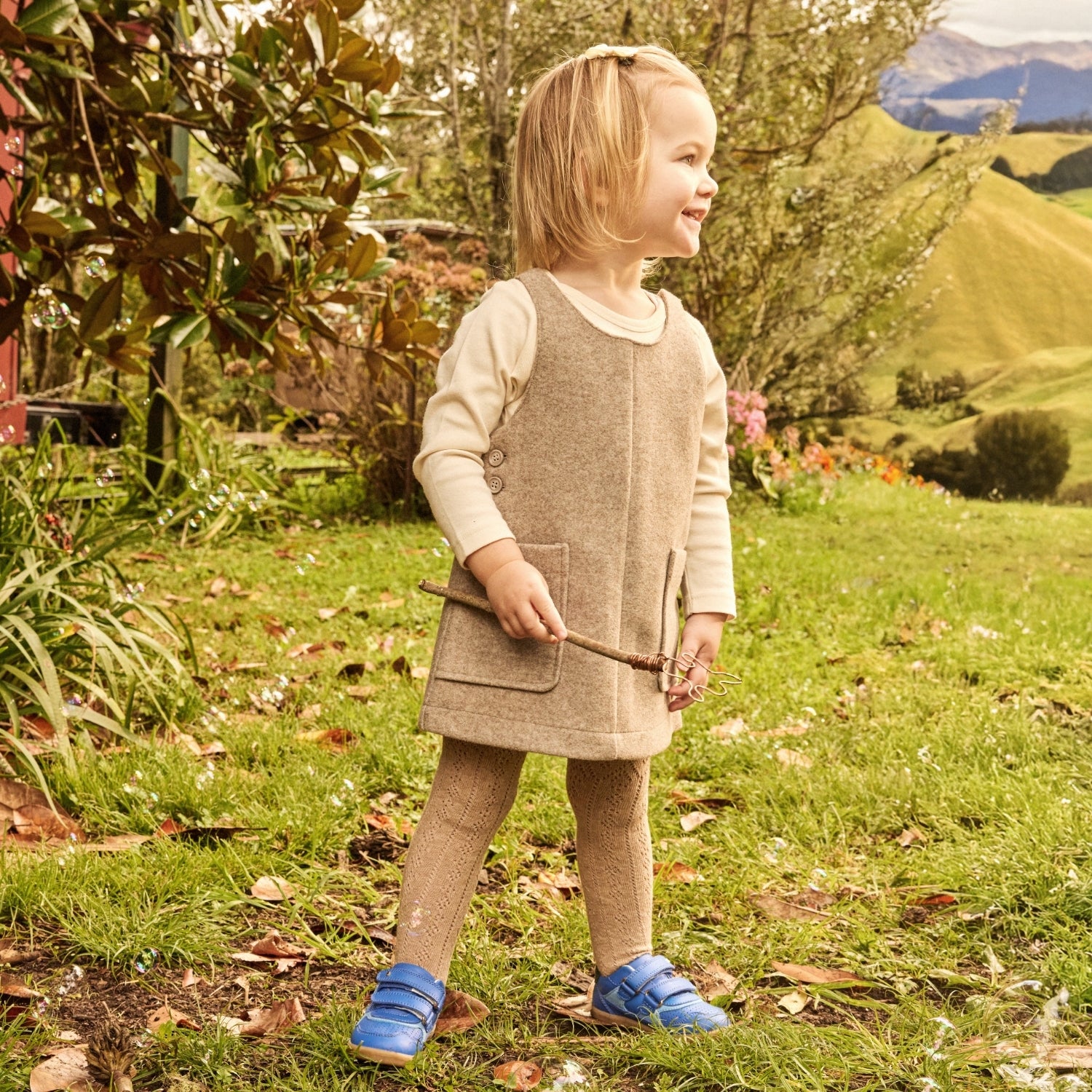
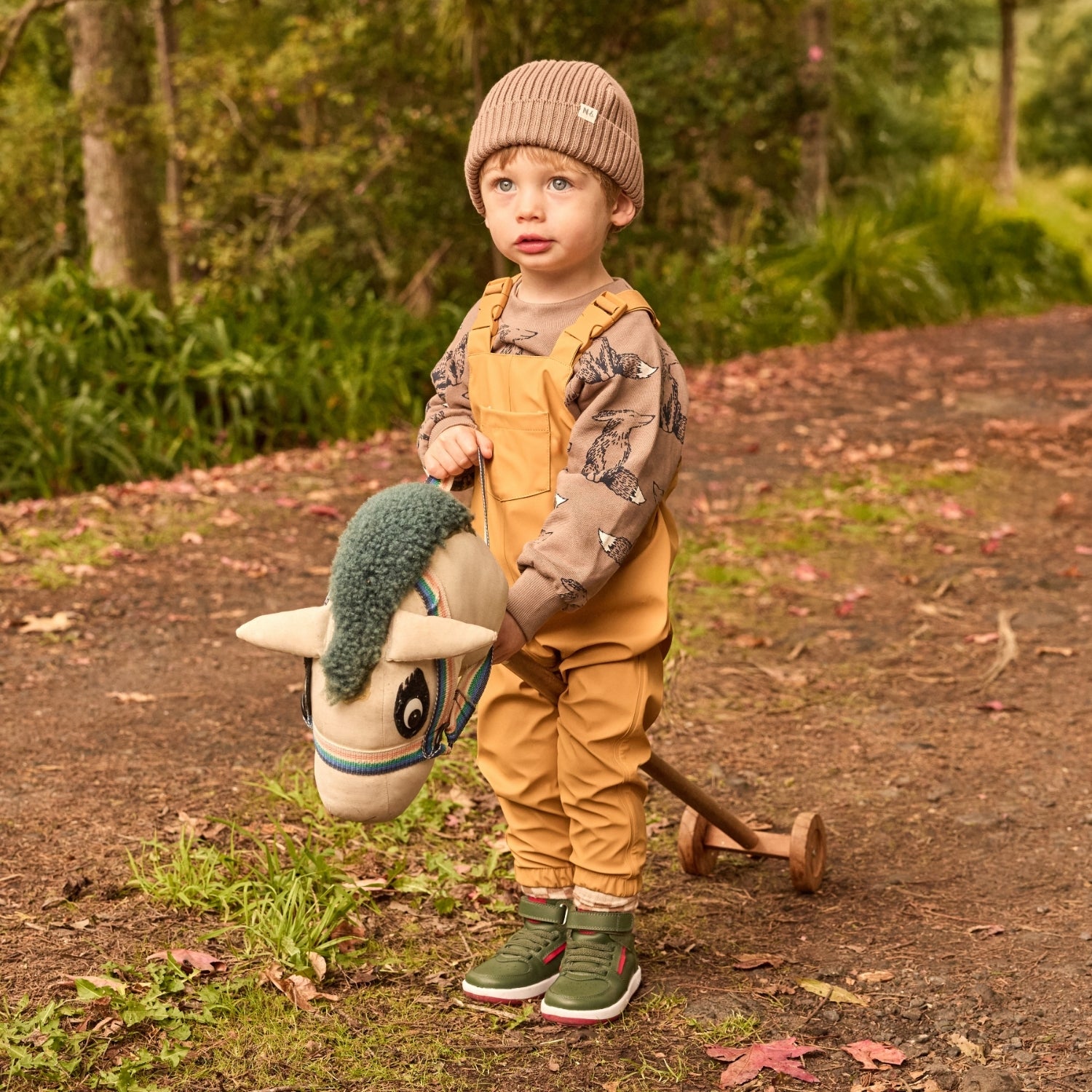
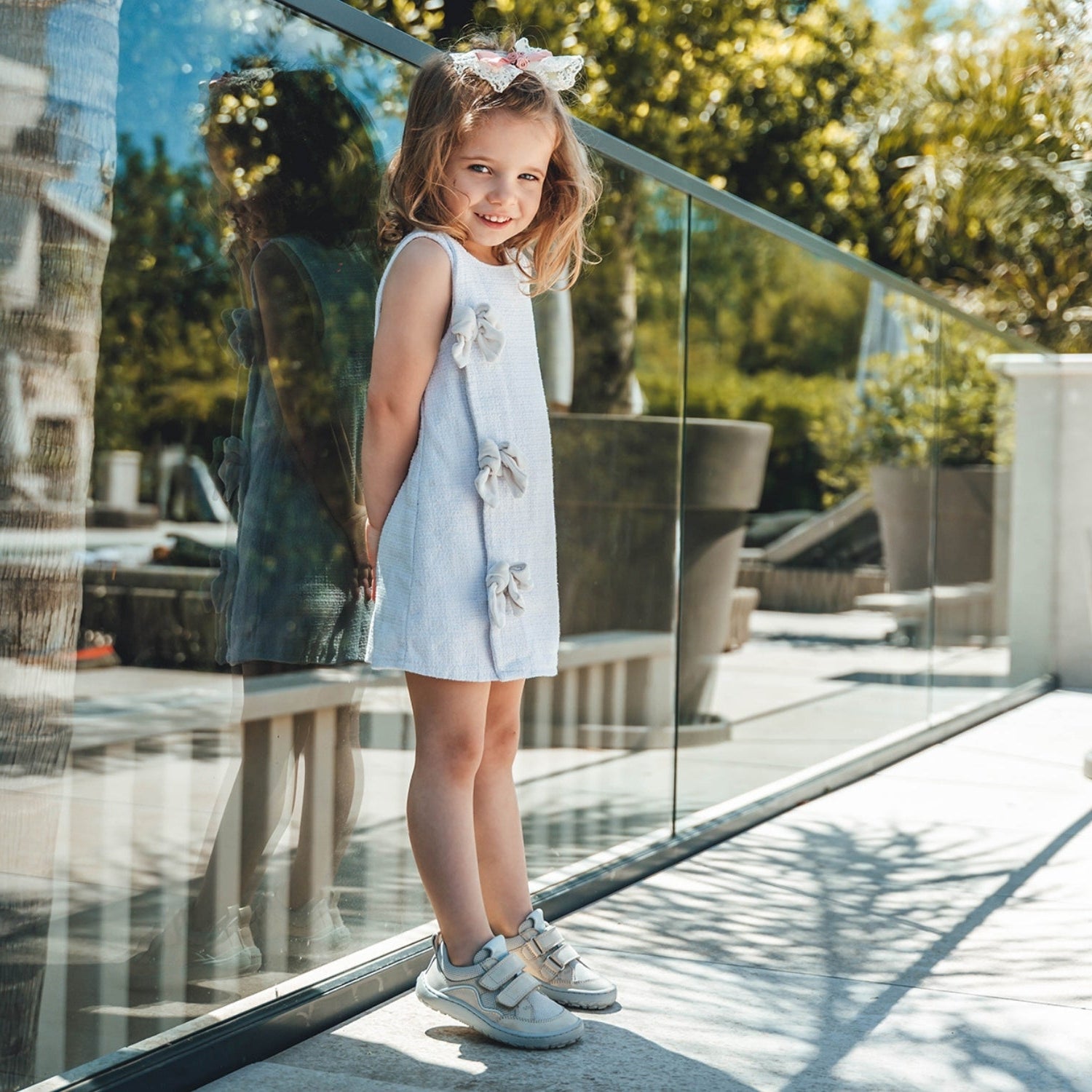
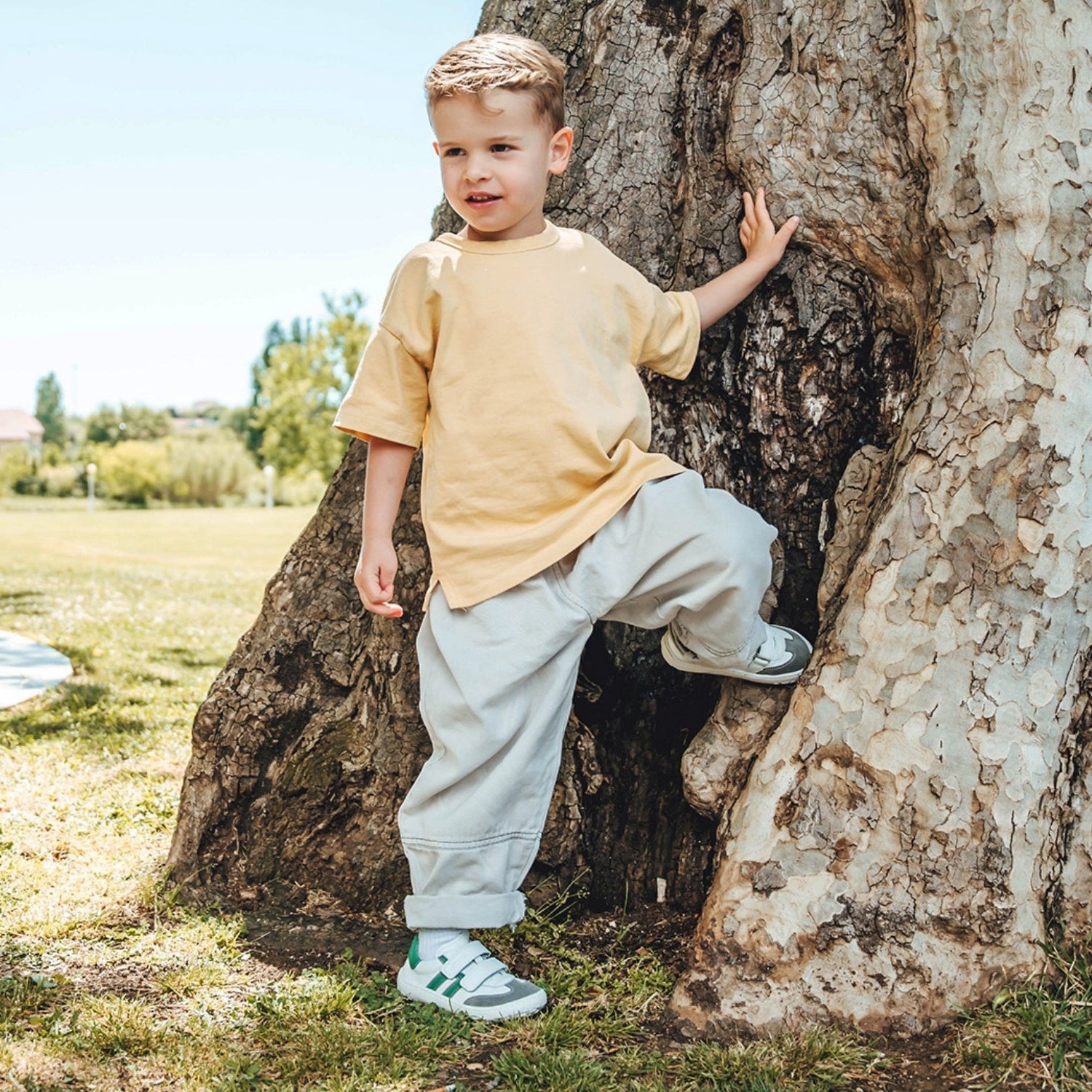

Winter Barefoot Shoes Guide

Cold weather doesn't mean children stop exploring. From frosty school mornings to muddy woodland walks, the right winter footwear helps keep little feet warm, dry, and comfortable while allowing them to move naturally.
Winter barefoot shoes and boots combine the key features of barefoot footwear with practical details designed for colder weather. Whether you're looking for everyday winter boots or waterproof footwear for outdoor adventures, choosing the right pair can help keep children comfortable all winter long.
What Are Winter Barefoot Shoes?
Winter barefoot shoes are designed to provide warmth and protection while maintaining the principles of barefoot footwear. Most styles feature:
- A wide toe box for natural toe movement
- Flexible soles that bend easily with the foot
- A flat, zero-drop sole
- Lightweight construction
- Warm linings or insulated materials
- Water-resistant or waterproof uppers on selected styles
These features help children stay comfortable while walking, playing, and exploring during the colder months.
Why Choose Barefoot Shoes for Winter?
Winter footwear needs to do more than just keep feet warm. Even during the colder months, children spend plenty of time walking, climbing, and playing, so many parents look for shoes that combine warmth, comfort, and flexibility.
Barefoot winter shoes are designed with this in mind, combining flexibility with practical cold-weather protection. Compared with heavier, more rigid winter boots, many barefoot styles feel lighter and allow feet to move more freely throughout the day.
Features to Look For
Not all winter shoes are the same, so it's worth considering which features best suit your child's daily activities.
Warm Linings
Many winter barefoot shoes include soft fleece, wool, or other insulating linings to help keep feet warm on cold days.
Water-Resistant or Waterproof Materials
For wet weather, look for styles made from water-resistant materials or featuring waterproof membranes or constructions to help keep feet dry in rain, puddles, and slushy conditions. Water-resistant shoes are suitable for light moisture but may not offer the same level of protection as fully waterproof styles.
Flexible Soles
Even in winter, many barefoot shoes are designed with flexible soles that bend naturally with the foot, helping to keep everyday movement comfortable.
Good Grip
Winter often brings wet leaves, mud, and slippery paths. A sole with a well-designed tread can provide better traction on uneven or damp surfaces, although no shoe can prevent slips entirely.
Choosing the Right Fit
Winter shoes should fit comfortably while allowing enough space for growing feet and natural toe movement.
If your child is likely to wear thicker socks during colder weather, keep this in mind when choosing a size. As a general guide, we recommend around 10mm of growing room for boots, although the ideal amount can vary between brands and styles. This generally provides enough space for growing feet while accommodating thicker socks when needed.
Measuring your child's feet before ordering and using the brand's size guide or our Size Finder tool is the best way to find the most suitable size.
Caring for Winter Barefoot Shoes
After muddy or wet adventures, clean shoes according to the manufacturer's care instructions and allow them to dry naturally away from direct heat. Regular cleaning and, where recommended by the manufacturer, applying a suitable waterproof treatment can help keep them in good condition throughout the season.
Choosing the right winter barefoot shoes means balancing warmth, weather protection, and natural movement. With a comfortable fit, flexible soles, and features suited to colder conditions, they can help keep little feet comfortable from crisp autumn mornings through to the end of winter.